
- 28 May 2026
- Elara Crowthorne
- 0
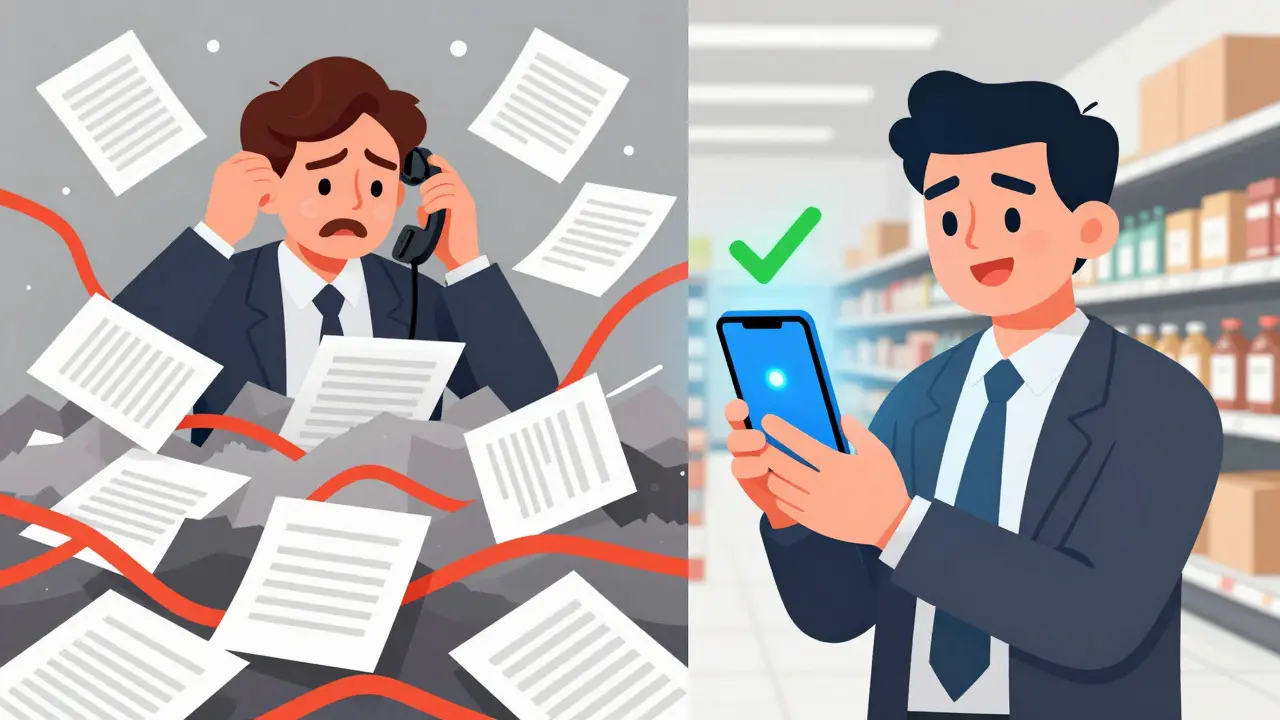
Imagine buying a bag of sliced mangoes at your local supermarket. You take one bite and realize it tastes off. In the past, finding out exactly which farm those mangoes came from could take nearly seven days of phone calls, emails, and paperwork. Today, thanks to Walmart blockchain implementation, that same search takes less than two seconds.
This isn't science fiction or a distant future concept. It is happening right now in stores across the United States and China. Walmart has fundamentally changed how we think about food safety by turning weeks of manual tracking into real-time digital visibility. But how did they pull this off, and what does it mean for the rest of the retail industry?
The Mango Problem That Sparked a Revolution
To understand why Walmart invested so heavily in distributed ledger technology, you have to look back to a specific moment in 2016. Frank Yiannas, then Vice President of Food Safety at Walmart, bought a package of sliced mangoes from a store. He challenged his team to find out where those mangoes originated.
The result was shocking. It took almost seven days to trace the fruit back to the source farm. During a foodborne illness outbreak, seven days is an eternity. People get sick, hospitals fill up, and regulators demand answers. The traditional supply chain relied on paper records, fragmented databases, and slow communication between farmers, distributors, processors, and retailers.
Yiannas realized that if they couldn't trace safe food quickly, they couldn't protect consumers effectively. This failure became the catalyst for a massive technological overhaul. The goal was simple but ambitious: reduce tracing time from days to seconds.
Building the Foundation with IBM and Hyperledger
Walmart didn't build this system alone. They partnered with IBM, leveraging its enterprise-grade cloud infrastructure and expertise in enterprise blockchain solutions. The core technology powering this initiative is Hyperledger Fabric, an open-source enterprise blockchain framework designed for modular architecture and high performance.
Unlike public blockchains like Bitcoin or Ethereum, Hyperledger Fabric is permissioned. This means only authorized participants-farmers, suppliers, logistics companies, and Walmart itself-can join the network. This setup ensures data privacy while maintaining the transparency needed for food safety audits.
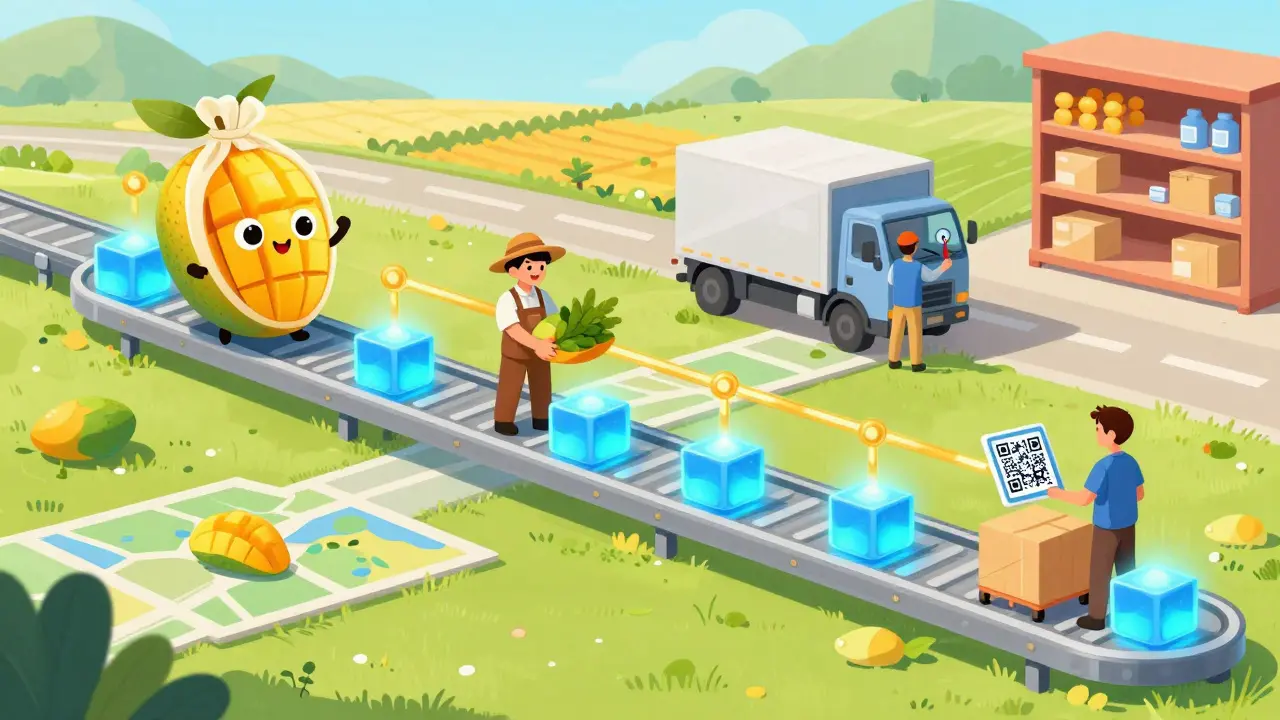
The collaboration resulted in the creation of IBM Food Trust, a blockchain-based platform that enables food producers and retailers to track products throughout the supply chain. This network allows every participant to record transactions immutably. When a farmer harvests produce, they log it. When a processor packages it, they add their data. When a truck transports it, temperature and location data are recorded. Each step creates a cryptographic hash linked to the previous one, forming an unbreakable chain of custody.
How the Two-Second Trace Works
The magic happens when you need information. Here is the process simplified:
- Digital Tagging: At the origin point, each shipment receives a unique numeric identifier and a digital tag (often a QR code or RFID).
- Data Logging: As the product moves through the supply chain, key data points are entered into the blockchain. This includes farm origin, batch numbers, processing dates, expiration times, storage temperatures, and shipping details.
- Standardization: To ensure everyone speaks the same language, Walmart worked closely with GS1, the global standard-setting organization for business communication standards such as barcodes. GS1 standards ensure that a "lot number" means the same thing to a farmer in Mexico as it does to a warehouse manager in Arkansas.
- Instant Retrieval: If a safety issue arises, a Walmart employee enters a six-digit lot number into a web portal. The system queries the blockchain and returns comprehensive shipment history in under two seconds.
This speed is not just convenient; it is critical during recalls. Instead of pulling all leafy greens from shelves nationwide-a costly and wasteful practice-Walmart can identify exactly which batches are contaminated and remove only those items. This precision saves money, reduces food waste, and protects consumer health.
Global Expansion: From US Mangoes to Chinese Pork
While the initial proof-of-concept focused on mangoes in the US, Walmart recognized that supply chains vary significantly by region. In China, the company launched a separate but parallel initiative to trace pork products.
| Region | Primary Product | Technology Partner | Blockchain Platform |
|---|---|---|---|
| United States | Mangoes, Leafy Greens, Chicken | IBM | Hyperledger Fabric (via IBM Food Trust) |
| China | Pork | VeChain & PwC | VeChain Thor |
The Chinese initiative highlights an important strategic insight: there is no single blockchain solution that fits every market. By partnering with VeChain, a leading enterprise blockchain provider in Asia, and working with auditing firm PwC, Walmart adapted its traceability model to local regulatory requirements and supplier ecosystems. This flexibility demonstrates that successful blockchain adoption requires customization, not just copy-pasting technology.
Beyond Food: Solving Logistics and Payment Disputes
Food safety was the entry point, but blockchain's utility extends far beyond fresh produce. One of the most overlooked pain points in retail logistics is payment reconciliation. Suppliers and freight carriers often dispute invoices due to missing documentation or conflicting records of delivery conditions.
Walmart Canada addressed this by implementing a blockchain-based system to manage payments for 70 third-party freight carriers. Traditionally, resolving these disputes involved endless email threads and manual checks. With blockchain, every transaction-from pickup to final delivery-is recorded automatically and immutably.
If a carrier claims they delivered goods on time and within temperature limits, the blockchain provides undeniable proof. If the data shows otherwise, the system flags the discrepancy instantly. This automation eliminates friction, speeds up payments for compliant carriers, and reduces administrative overhead for Walmart's finance teams.
The Power of AI and Blockchain Combined
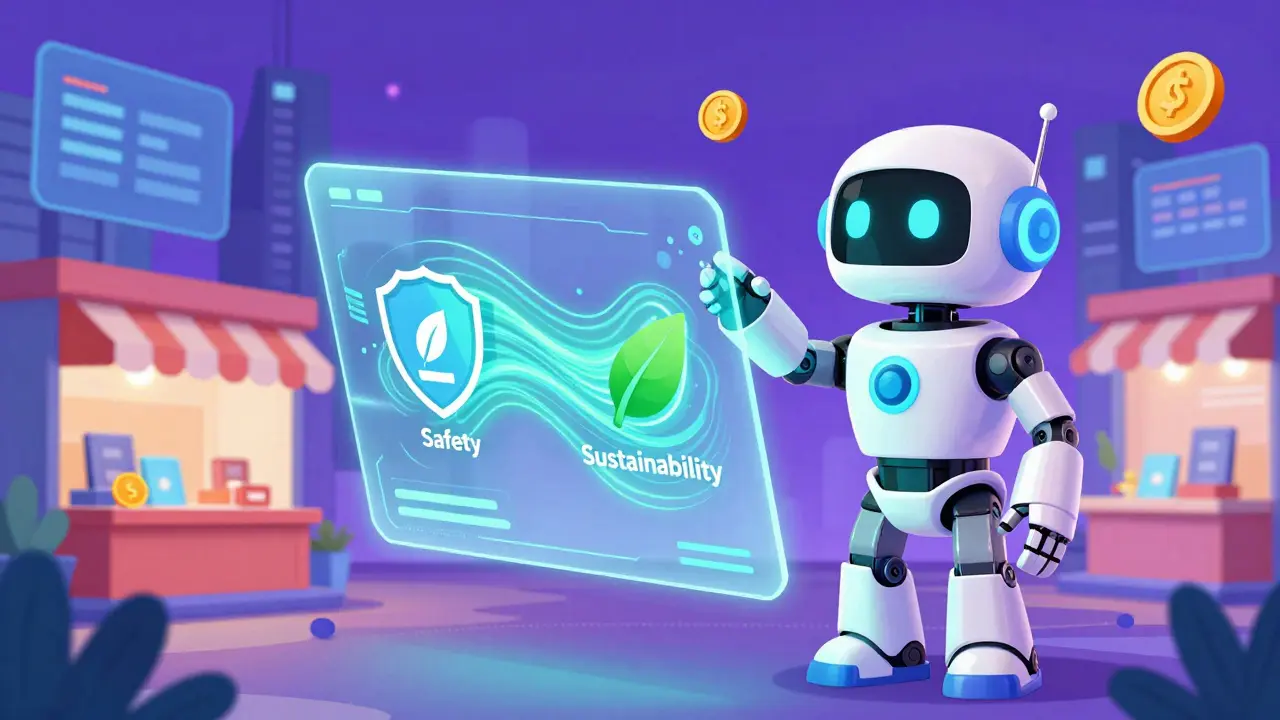
Blockchain provides the trustworthy data layer, but Artificial Intelligence (AI) adds predictive power. Industry analysts describe this combination as a robust risk management framework. Here is how it works:
- Predictive Analytics: AI algorithms analyze historical data stored on the blockchain to forecast potential disruptions. For example, if certain routes consistently experience delays during rainy seasons, the system can suggest alternative paths.
- Risk Identification: Machine learning models scan supplier compliance patterns. If a supplier has a history of minor temperature violations, the AI might flag future shipments from that vendor for enhanced monitoring.
- Proactive Management: Instead of reacting to problems after they occur, Walmart can anticipate them. This shift from reactive to proactive management improves supply chain resilience and customer satisfaction.
This synergy transforms raw data into actionable intelligence. Blockchain ensures the data is accurate and tamper-proof; AI makes sense of it all.
What’s Next? Sustainability and CBDCs
As of May 2026, Walmart's blockchain infrastructure continues to evolve. The company is exploring new use cases that go beyond basic traceability. One major focus is sustainability. Consumers increasingly care about environmental impact, ethical sourcing, and carbon footprints. Blockchain can verify these claims, providing transparent proof that products meet sustainability standards.
Another frontier is the integration with Central Bank Digital Currencies (CBDCs). Imagine a scenario where payments are triggered automatically when supply chain milestones are reached. When a shipment arrives at a distribution center and passes quality checks, smart contracts on the blockchain could release payment instantly via CBDC infrastructure. This would eliminate intermediaries, reduce transaction costs, and accelerate cash flow for suppliers.
Key Takeaways for Retailers and Suppliers
Walmart's journey offers valuable lessons for anyone involved in supply chain management:
- Start with a Clear Pain Point: Don't adopt blockchain because it's trendy. Adopt it to solve a specific problem, like slow recall processes or payment disputes.
- Collaborate Early: Success depends on buy-in from all supply chain partners. Standardize data formats using organizations like GS1 before launching.
- Choose the Right Technology: Permissioned blockchains like Hyperledger Fabric are often better suited for enterprise needs than public networks.
- Think Globally, Act Locally: Adapt your strategy to regional regulations and partner ecosystems.
- Combine Technologies: Pair blockchain with AI to unlock deeper insights and predictive capabilities.
Walmart has proven that blockchain is not just a theoretical concept. It is a practical tool that delivers measurable business value. By cutting trace times from days to seconds, improving payment efficiency, and enhancing consumer trust, Walmart has set a new standard for supply chain transparency. As other retailers follow suit, we can expect greater accountability, safer food, and more efficient operations across the entire retail landscape.
How long does it take to trace food products using Walmart's blockchain?
It takes less than two seconds. Previously, tracing the origin of products like mangoes took nearly seven days. The blockchain system allows employees to enter a lot number and receive complete shipment history instantly.
Which blockchain technology does Walmart use?
In the US, Walmart primarily uses Hyperledger Fabric through the IBM Food Trust network. In China, for pork traceability, they utilize VeChain's Thor blockchain in partnership with PwC.
Why did Walmart start using blockchain in its supply chain?
The initiative began after a test revealed it took seven days to trace the source of sliced mangoes. This delay posed significant risks during food safety outbreaks, prompting Walmart to seek faster, more transparent tracking methods.
Does Walmart use blockchain for anything other than food?
Yes. Walmart Canada implemented blockchain to automate invoice reconciliation and payments for third-party freight carriers, reducing disputes and administrative workload.
How does blockchain help with food recalls?
Blockchain enables precise identification of affected batches. Instead of recalling entire categories of products, Walmart can target only contaminated items, saving money and reducing food waste.
What role does AI play in Walmart's supply chain?
AI analyzes data stored on the blockchain to predict disruptions, identify risky suppliers, and optimize logistics. It turns immutable transaction records into actionable insights for proactive risk management.
Is Walmart's blockchain system available to all suppliers?
Walmart has expanded its requirements, mandating blockchain participation for many suppliers, particularly those dealing in fresh produce and meat. The system relies on standardized data inputs from all participants to function effectively.
