
- 27 May 2026
- Elara Crowthorne
- 0
You have likely seen the buzz around PearDAO is a decentralized autonomous organization focused on community-driven governance and yield optimization in the DeFi sector. It has gained attention for its innovative approach to treasury management and member participation. The promise of free tokens through an airdrop is compelling, especially when it involves a project with a growing reputation. However, navigating the landscape of crypto giveaways requires more than just enthusiasm; it demands precision and caution. If you are looking into the PearDAO airdrop for the PEX token, you need to know exactly how these campaigns work, what they typically require from participants, and how to protect your digital assets while doing so.
The world of cryptocurrency airdrops has evolved significantly. What started as simple marketing stunts has turned into complex engagement ecosystems. Projects like PearDAO use these distributions not just to spread wealth, but to build a loyal, active community that will govern the protocol later. Understanding this shift is crucial because it changes how you should approach eligibility. You are no longer just waiting for a deposit; you are often expected to prove your value as a potential community member.
Understanding the Mechanics of Modern Airdrops
To grasp why specific details about the PearDAO campaign might be elusive or vary by source, we must look at the standard architecture of modern airdrops. An cryptocurrency airdrop is a marketing strategy where Web3 projects distribute tokens to wallet addresses to promote awareness and decentralization. This mechanism serves two primary purposes: rewarding early supporters and distributing ownership to prevent centralization of power within the protocol.
Typically, these campaigns follow a three-phase structure. First, there is the announcement phase, where the project outlines the criteria. Second, the qualification period begins, during which users must perform specific actions. Finally, the snapshot and distribution occur, where smart contracts transfer tokens to eligible wallets. For a project like PearDAO, which operates in the DeFi ecosystem consists of financial applications built on blockchain technology that allow for peer-to-peer lending, borrowing, and trading without intermediaries. These platforms rely heavily on liquidity providers and voters., the criteria are rarely passive. They usually involve interacting with their platform, voting on proposals, or providing liquidity.
It is important to distinguish between different types of airdrops. There are holder-based airdrops, where you receive tokens simply for holding a specific asset in your wallet at a certain block height. Then there are task-based airdrops, which require social media engagement, referrals, or testing new features. Given PearDAO’s focus on governance, their PEX token distribution likely leans towards activity-based metrics rather than simple holdings. This means your history of interaction with their Discord, forum posts, or previous votes may weigh heavily in the final allocation.
Eligibility Criteria and How to Qualify
Without a single, static list of rules, identifying eligibility can feel like solving a puzzle. However, based on industry standards for DAOs similar to PearDAO, we can infer the likely requirements. Most reputable projects announce their criteria weeks in advance. If you are trying to qualify now, you should focus on maximizing your on-chain footprint and community presence.
- Wallet History: Many DAOs analyze your transaction history. Have you interacted with their smart contracts before? Have you provided liquidity to their pools? Even small transactions can count if they demonstrate genuine interest.
- Social Engagement: Joining the official Discord server is often the first step. Beyond just joining, active participation matters. Answering questions in help channels, discussing governance proposals, and sharing insights can flag your account as "active" in their backend systems.
- Referral Networks: Some campaigns include a referral component. Inviting others to join the community or test the platform can boost your score. Ensure you use the correct referral link provided in official announcements.
- Holding Specific Assets: In some cases, holding a related NFT or a stablecoin pair associated with the project might grant bonus points. Check if PearDAO has any associated NFT collections or loyalty programs.
A critical aspect of qualification is timing. Airdrops often take a "snapshot" of the blockchain at a specific block number. If you miss this window by even a few minutes, you may be excluded regardless of your prior activity. Therefore, staying updated via reliable news sources and official channels is non-negotiable. Do not rely on third-party rumors for exact dates; always verify with the project’s primary communication lines.
Safety First: Avoiding Scams and Phishing
The excitement surrounding potential free tokens makes users vulnerable to scams. Fraudsters know that people searching for "PearDAO airdrop" are eager and may overlook red flags. Protecting yourself requires a disciplined approach to security.
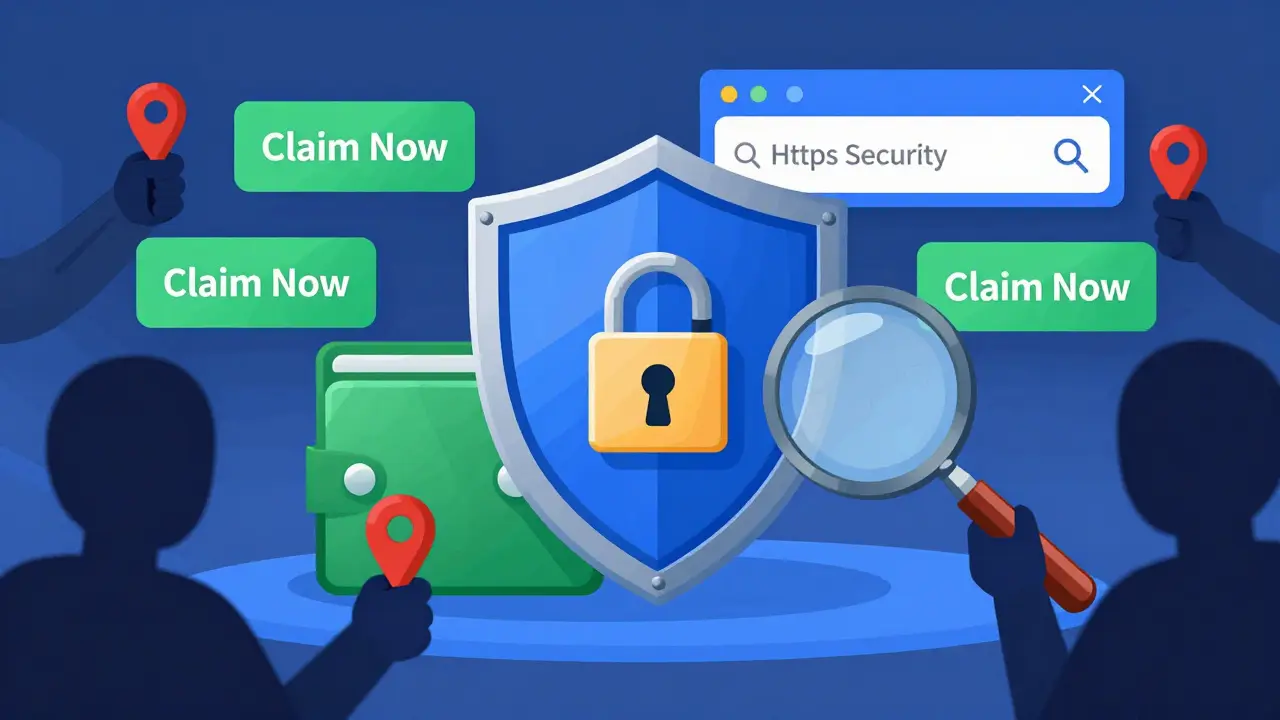
The golden rule is simple: never click links from unverified sources. Scammers create fake websites that look identical to the official PearDAO site, complete with fake countdown timers and "Claim Now" buttons. When you connect your wallet to these sites, they do not give you tokens; they drain your existing funds. Always copy the URL directly from the project’s verified Twitter or Discord profile. Look for the blue checkmark on social media and ensure the website uses HTTPS with a valid certificate.
Another common tactic is the "gas fee" scam. Legitimate airdrops are free to claim. You only pay the network gas fee to process the transaction. If a site asks you to send ETH, USDT, or any other cryptocurrency to "verify" your wallet or "unlock" your airdrop, it is a scam. Real airdrops do not require upfront payments. Additionally, consider using a separate "burner" wallet for claiming airdrops. Keep your main holdings in a hardware wallet or a secure software wallet that you never connect to unknown dApps. This isolation limits your risk exposure significantly.
Be wary of Discord DMs. Official support teams will never message you first to ask for your private key or seed phrase. If someone claims to be from PearDAO and asks for sensitive information, block and report them immediately. Trust your instincts; if an offer seems too good to be true or creates a sense of artificial urgency, it likely is.

Comparison: Legitimate vs. Suspicious Airdrops
| Feature | Legitimate Campaign | Suspicious/Scam |
|---|---|---|
| Source of Information | Official website, verified social media handles | Random DMs, unsolicited emails, unknown forums |
| Cost to Claim | Free (only network gas fees apply) | Requires sending crypto, buying NFTs, or paying "verification" fees |
| Website Security | HTTPS, valid SSL certificate, clear domain name | Misspelled domains, expired certificates, HTTP only |
| Community Interaction | Transparent criteria, active official Discord/Twitter | Vague rules, no official presence, pressure to act fast |
| Wallet Connection | Read-only access initially, clear permission requests | Asks for unlimited approval, requests private keys |
Using this table as a checklist before connecting your wallet can save you from significant financial loss. Remember, legitimate projects prioritize user safety and transparency. They provide detailed documentation and clear contact methods for support.
What to Do After the Distribution
Once the dust settles and the snapshot is taken, the next phase is claiming. This process varies by blockchain. If PearDAO operates on Ethereum, you will need ETH for gas fees. If it is on a Layer 2 solution like Arbitrum or Optimism, the costs will be lower. Ensure your wallet has sufficient balance for the transaction before attempting to claim.
After claiming, you will likely hold the PEX tokens. What should you do with them? As a DAO token, PEX probably grants governance rights. This means you can vote on future proposals, such as changes to fee structures, treasury allocations, or new integrations. Participating in governance is one of the most valuable aspects of holding such tokens. It allows you to influence the direction of the project. Alternatively, you might choose to trade them on decentralized exchanges (DEXs) if liquidity is available. However, be aware of volatility. Newly distributed tokens can experience sharp price swings as early recipients sell their holdings.
Tax implications are another factor to consider. In many jurisdictions, receiving an airdrop is considered taxable income at the fair market value of the tokens at the time of receipt. Keeping records of the date, amount, and value of the airdrop is essential for accurate tax reporting. Consult with a local tax professional to understand your obligations.
Related Concepts in the DeFi Ecosystem
To fully appreciate the context of the PearDAO airdrop, it helps to understand the broader ecosystem. Decentralized Finance (DeFi) represents a financial system built on public blockchains that eliminates intermediaries like banks and brokers. Key components include liquidity pools, automated market makers (AMMs), and yield farming. PearDAO likely interacts with these elements. For instance, members might provide liquidity to earn yields, which are then governed by the DAO. Understanding terms like "slippage," "impermanent loss," and "governance voting" will make you a more informed participant.
Additionally, the concept of "Sybil resistance" is relevant here. Projects often try to prevent one person from creating multiple wallets to farm excessive airdrops. They use heuristics to detect bot-like behavior. Engaging authentically-posting unique content, having a diverse transaction history, and maintaining a consistent identity across platforms-helps you pass these filters.
Next Steps and Troubleshooting
If you believe you qualified but did not receive tokens, start by checking the official announcement channels for a list of eligible wallets or a verification tool. Sometimes, delays occur due to high network congestion. If issues persist, reach out to support through official Discord channels, providing your wallet address (never your private key). Be patient, as support teams may be overwhelmed during distribution periods.
For those who missed the window, stay engaged. DAOs often run recurring campaigns or have secondary distribution mechanisms for long-term contributors. Building a reputation within the community today could lead to future opportunities. Keep your wallet clean, your interactions authentic, and your security protocols tight.
Is the PearDAO PEX airdrop free?
Yes, legitimate airdrops are free to participate in. You may need to pay small network gas fees to claim the tokens once distributed, but you should never have to send cryptocurrency to "unlock" or "verify" your reward. Any request for upfront payment is a scam.
How do I know if I am eligible for the PearDAO airdrop?
Eligibility criteria are usually announced on the project's official website, Discord, or Twitter. Common requirements include holding specific tokens, interacting with their smart contracts, or being an active member of their community. Always refer to official sources for the definitive list of criteria.
Can I claim the airdrop on any wallet?
You can claim on most non-custodial wallets like MetaMask, Phantom, or WalletConnect-compatible apps, provided they support the blockchain network PearDAO is built on. Ensure your wallet is compatible with the specific chain (e.g., Ethereum, Solana, Polygon) before attempting to connect.
What should I do if I receive a suspicious DM about the airdrop?
Ignore and block the sender immediately. Official support teams will never initiate direct messages asking for personal information or wallet details. Report the account to the platform moderators to help protect the community.
Are airdropped tokens taxable?
In many countries, yes. Airdrops are often treated as taxable income at the time of receipt, valued at the market price of the token on that day. Keep detailed records of the transaction date, amount, and value for your tax filings. Consult a local tax expert for specific advice.