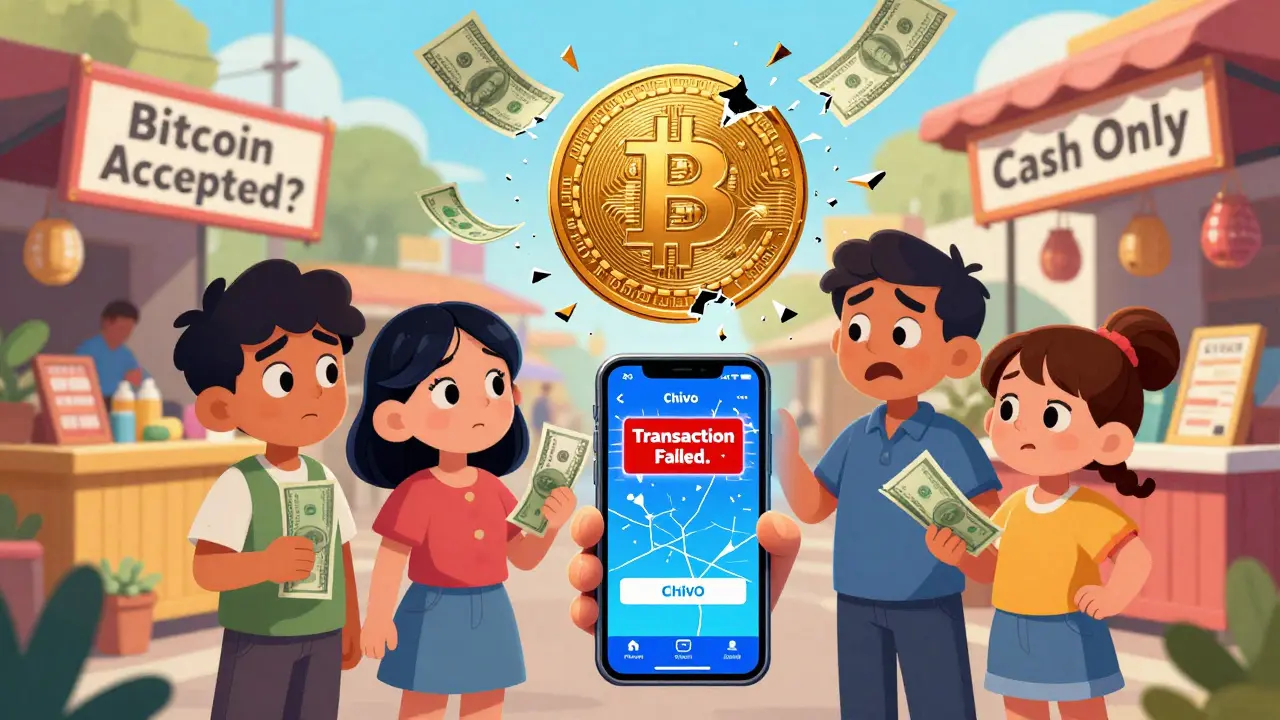
El Salvador made Bitcoin legal tender in 2021-but by 2025, it reversed course. This is the full story of what went wrong, why the IMF stepped in, and what really happened to Bitcoin in the world’s first crypto nation.
When we talk about Bitcoin legal tender, a status where a government recognizes Bitcoin as valid payment for all debts, public and private. Also known as official cryptocurrency legal status, it’s not just a technical label—it changes how people spend, save, and think about money. This isn’t theoretical. In 2021, El Salvador became the first country to make Bitcoin legal tender, followed by the Central African Republic. These weren’t experiments. They were full legal shifts. People there can pay taxes, buy coffee, or settle a loan using Bitcoin just like they would with dollars or euros.
But here’s the catch: cryptocurrency regulation, the set of laws and oversight rules governments apply to digital assets. Also known as crypto legal framework, it varies wildly across the world. In the U.S., Bitcoin isn’t legal tender, but it’s still treated as property for tax purposes. That means every time you buy a pizza with BTC, you might owe capital gains tax. Meanwhile, in Nigeria, crypto trading isn’t banned, but banks are blocked from handling it. And in places like China, crypto transactions are heavily restricted—even though owning Bitcoin isn’t illegal. The rules aren’t just about legality—they’re about control. Governments don’t want to lose power over money. That’s why Bitcoin adoption, the real-world use of Bitcoin for everyday transactions and financial services. Also known as crypto usage, it often grows fastest where people distrust banks or face inflation. In Argentina, Venezuela, or Lebanon, Bitcoin isn’t a trend—it’s a lifeline.
What makes Bitcoin legal tender different from just accepting Bitcoin as payment? It’s the obligation. If you’re a business in El Salvador, you must accept Bitcoin for goods and services unless you physically can’t. That’s not a suggestion. It’s the law. And that’s why crypto legal status, the official recognition of cryptocurrency under national law. Also known as digital currency legality, it’s the key to mainstream use matters. Without it, Bitcoin stays a niche asset. With it, it becomes part of the financial system. But legal status doesn’t mean safety. El Salvador’s experiment has faced criticism over volatility, technical failures, and lack of public education. People still use dollars more than Bitcoin. But the door is open. Other countries are watching closely.
What you’ll find below are real stories and deep dives into how Bitcoin legal tender is playing out—not in theory, but on the ground. From compliance rules that shut down exchanges to how ordinary people use Bitcoin to survive economic chaos. You’ll see what works, what fails, and what’s coming next. No fluff. Just facts, risks, and what this means for you if you’re holding, trading, or using Bitcoin today.
El Salvador made Bitcoin legal tender in 2021-but by 2025, it reversed course. This is the full story of what went wrong, why the IMF stepped in, and what really happened to Bitcoin in the world’s first crypto nation.

Chivo wallet was El Salvador's bold attempt to make Bitcoin everyday money. It failed to win public trust due to volatility, technical flaws, and poor adoption - but its lessons shaped global crypto policy.