SOHO19 Crypto District

North Korea crypto: How state-backed hacking shapes global crypto markets

When you hear North Korea crypto, state-sponsored cyber operations targeting digital assets to fund military programs. Also known as crypto theft by DPRK hackers, it’s not just about stealing coins—it’s about bypassing international sanctions with blockchain anonymity. This isn’t fiction. U.S. Treasury reports show North Korean groups like Lazarus have stolen over $3 billion in crypto since 2017, making it one of the most profitable hacking operations in history.

How do they do it? They don’t break into wallets. They trick users. Fake airdrops, rigged DeFi protocols, phishing sites disguised as Binance or Coinbase—all designed to lure traders into giving up private keys. Once they get in, they move funds through Tornado Cash, a decentralized crypto mixer later sanctioned by the U.S. for laundering funds from North Korean hacks, mixing stolen coins with clean ones to erase the trail. The U.S. didn’t shut down Tornado Cash because it was evil—it shut it down because it was too effective. And that’s the problem: privacy tools meant for ordinary people became weapons in a digital cold war.

And it’s not just about theft. North Korea runs its own crypto exchanges, like the now-defunct Choson Exchange, to convert stolen Bitcoin into cash. They use these platforms to pay mercenaries, buy weapons, and fund missile tests—all while avoiding traditional banking systems. This forces exchanges worldwide to build stricter monitoring tools, even if it means blocking legitimate users. Every time a platform adds a new KYC rule or blocks a wallet, it’s partly because of what North Korea did.

What does this mean for you? If you’ve ever used a mixer, joined an obscure airdrop, or traded on a low-liquidity DEX—you’ve potentially touched the same chain of transactions that led back to Pyongyang. The North Korea crypto threat isn’t a headline. It’s a hidden layer in every trade you make. The posts below dig into real cases: how Tornado Cash got sanctioned, how hackers exploited DeFi protocols, and why some "free token" offers are actually state-run traps. You’ll see what’s real, what’s risky, and how to protect yourself without becoming paranoid.

OFAC Sanctions on North Korean Crypto Networks: How the U.S. Is Targeting $2.1 Billion in Stolen Crypto
  • 9 Dec 2025
  • Elara Crowthorne
  • 25

OFAC Sanctions on North Korean Crypto Networks: How the U.S. Is Targeting $2.1 Billion in Stolen Crypto

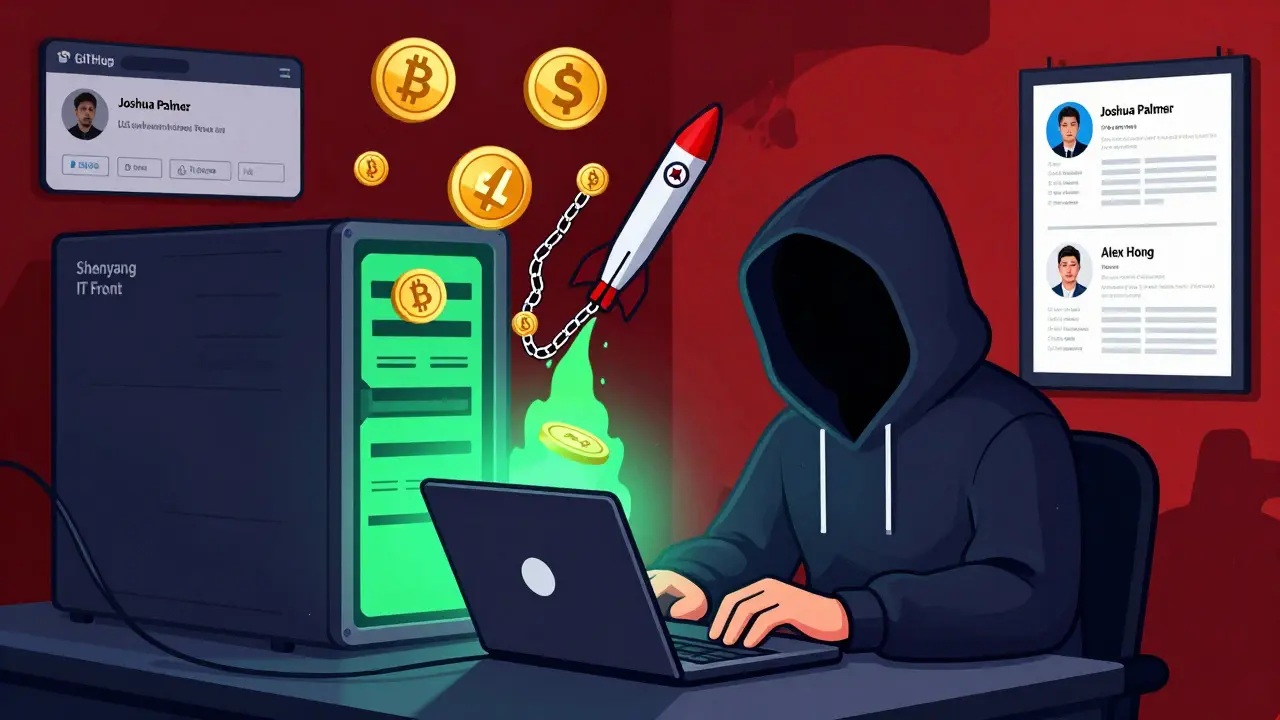
OFAC has targeted North Korean crypto networks responsible for stealing over $2.1 billion in 2025, using fake IT workers and global laundering rings to fund weapons programs. Here's how the U.S. is fighting back.

View More

Popular Categories

  • Cryptocurrency Guides (144)
  • Cryptocurrency (56)
  • Cryptocurrency Trading (43)
  • DeFi (28)
  • Blockchain (27)

Latest News

Yum Yum Crypto Exchange Review: What You Need to Know Before Trading

Yum Yum Crypto Exchange Review: What You Need to Know Before Trading

6/Sep/2025
Best Liquidity Pools for High Returns in 2026

Best Liquidity Pools for High Returns in 2026

23/Jan/2026
Walmart Blockchain Supply Chain: How IBM Food Trust Cuts Trace Time to 2 Seconds

Walmart Blockchain Supply Chain: How IBM Food Trust Cuts Trace Time to 2 Seconds

28/May/2026
State Control of Crypto Mining in Venezuela: How the Government Regulates and Restricts Digital Mining

State Control of Crypto Mining in Venezuela: How the Government Regulates and Restricts Digital Mining

29/Dec/2025
VASP Licensing in Nigeria: Requirements and Process for Crypto Businesses

VASP Licensing in Nigeria: Requirements and Process for Crypto Businesses

23/Nov/2025

Popular Tags

cryptocurrency decentralized exchange crypto exchange crypto exchange review blockchain crypto airdrop guide Binance Smart Chain DeFi Proof of Work smart contracts blockchain gaming CoinMarketCap airdrop Bitcoin AI blockchain ERC-20 Proof of Stake blockchain security crypto derivatives transaction fees MEXC Kickstarter
SOHO19 Crypto District

About

Cryptocurrency

Menu

  • About Us
  • Terms of Service
  • Privacy Policy
  • CCPA
  • Contact Us
© 2026. All rights reserved.