- 24 Sep 2025
- Elara Crowthorne
- 19
Stop-Loss vs Trailing Stop: Which Order Protects Your Trades Better?
Learn the differences between stop‑loss and trailing‑stop orders, when each works best, and how to combine them for safer trading.

When working with trading orders, instructions that tell an exchange when and how to buy or sell a crypto asset. Also known as order types, they are the core mechanic that turns market data into actual trades. A trading order can be as simple as a market order or as nuanced as a multi‑step conditional strategy. Understanding the basics helps you avoid slippage, reduce fees, and stay in control of your portfolio.
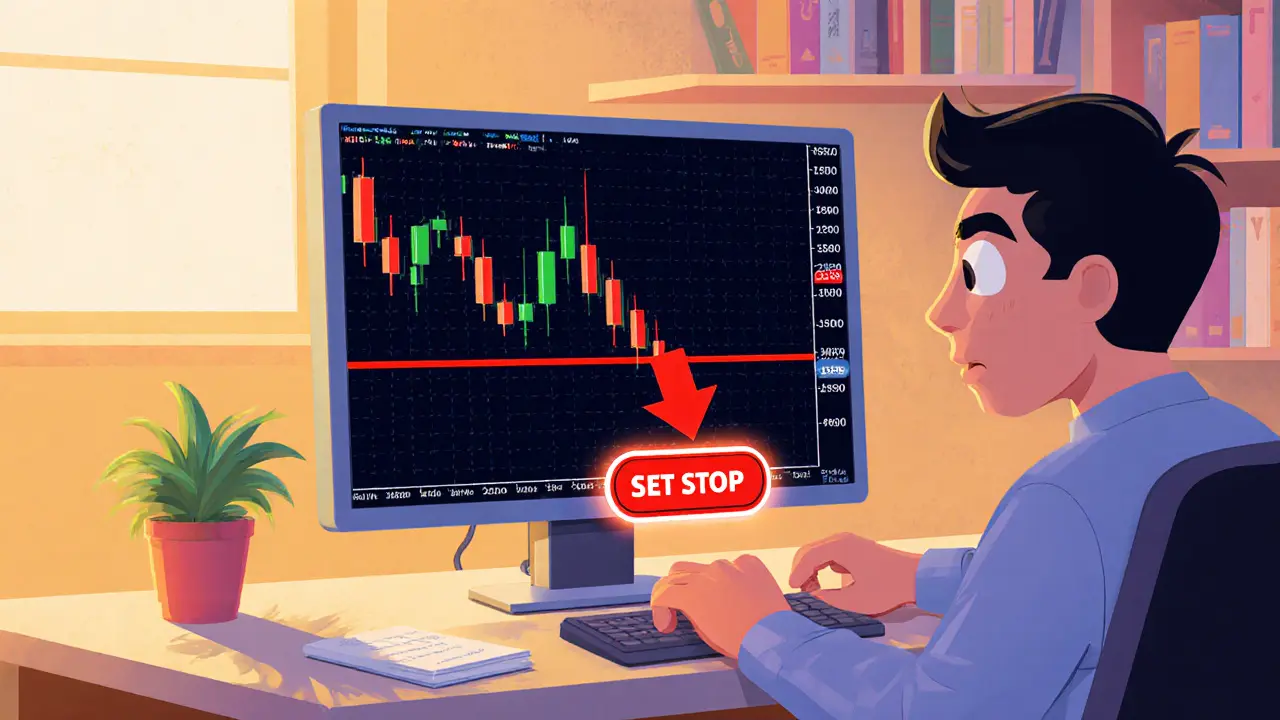
The most common limit order, sets a specific price at which you want to buy or sell lets you lock in a target without chasing the market. In contrast, a market order, executes immediately at the best available price guarantees speed but can suffer from price impact during volatile periods. A stop‑loss order, triggers a market or limit order once a price threshold is reached acts as an insurance policy, automatically limiting downside. These order types depend on the order book, the real‑time list of buy and sell offers on an exchange to find matching counterparties. The deeper the order book, the more likely you’ll get filled at your desired price, which is why liquidity providers and market makers matter for every trader.
Beyond the basics, advanced strategies blend multiple orders to capture price movements while managing risk. For instance, a trader might place a limit sell order above the current price and a stop‑loss below the entry point, creating a bracket that defines both profit and loss zones. This approach relies on the exchange’s ability to process conditional logic quickly, something that both centralized exchanges and decentralized DEXs are improving with better matching engines and on‑chain order routing. As you explore the articles below, you’ll see how different platforms handle fees, latency, and order types, giving you the tools to pick the right setup for your style. Ready to dive deeper? The collection ahead breaks down each concept, reviews real‑world exchange features, and offers step‑by‑step guides to help you put the right order in at the right time.
Learn the differences between stop‑loss and trailing‑stop orders, when each works best, and how to combine them for safer trading.