
- 21 Aug 2026
- Elara Crowthorne
- 24
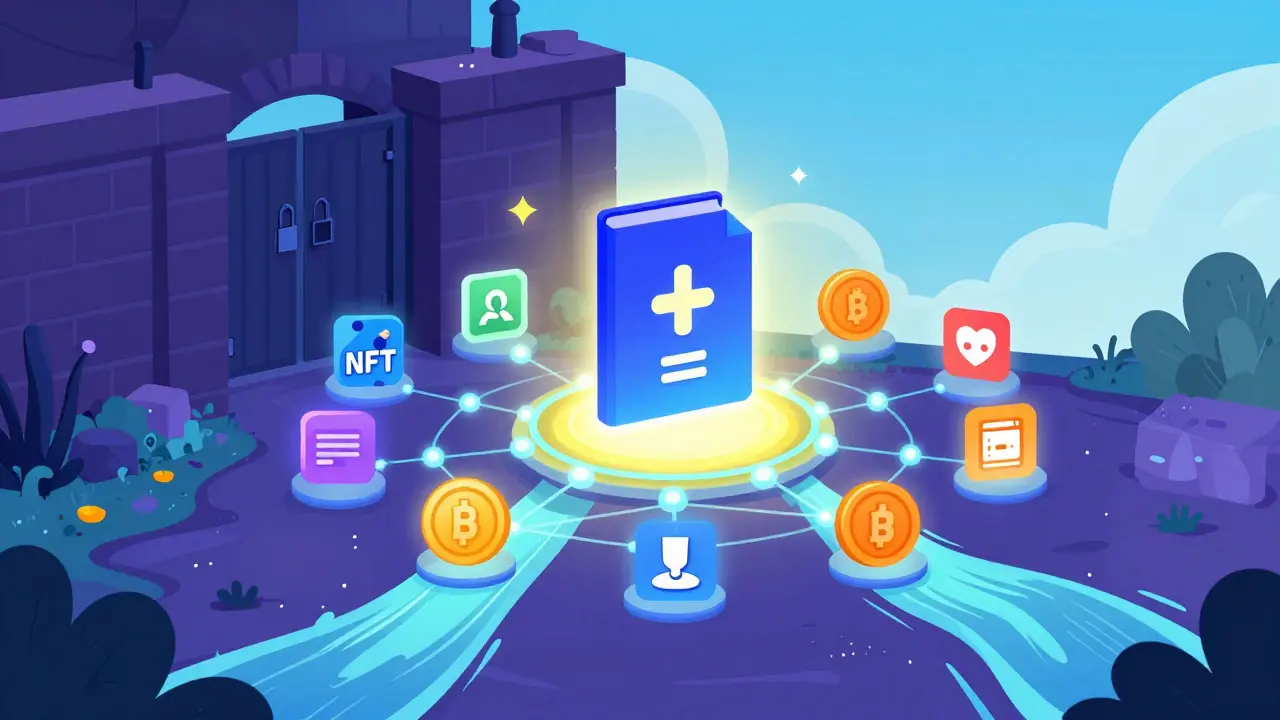
Imagine a world where your digital life isn't locked inside walled gardens like Facebook or X, but flows freely across the internet in an open, readable format. That’s the core promise of RSS3, a cryptocurrency token and Web3 protocol designed to be the "Open Information Layer" for the next generation of decentralized social media, search engines, and AI applications. Launched in February 2022 on the Ethereum blockchain, RSS3 aims to solve a critical problem in Web3: how to structure and distribute user data in a way that is both censorship-resistant and easy for developers to use. If you’ve ever wondered what makes this coin different from other altcoins, or whether it’s just another speculative asset, this guide breaks down exactly what RSS3 is, how it works, and where it stands in the market as of August 2026.
The Core Concept: Why We Need an Open Information Layer
To understand RSS3, you first have to look at the history of RSS (Really Simple Syndication). In the early 2000s, RSS feeds allowed users to subscribe to blog posts and news articles without visiting each website individually. It was a simple, open standard that empowered readers. However, as social media giants rose, they replaced open feeds with closed algorithms. Your data became their product, not yours.
RSS3 revives this spirit for the Web3 era. Instead of just syndicating text from websites, it indexes on-chain activities, decentralized identity profiles, and cross-platform interactions. Think of it as a universal feed that aggregates everything you do across the decentralized web-your NFT purchases, DeFi transactions, social posts, and more-and structures it into a readable format called an "RSS3 file." This file acts as your digital passport, allowing any app built on the protocol to access your verified activity history without needing permission from a central server. For developers building the "next Twitter" or "next Google," this means they can build personalized experiences based on real, verifiable user behavior rather than guessed interests.
How the Protocol Works: Nodes, Indexers, and Files
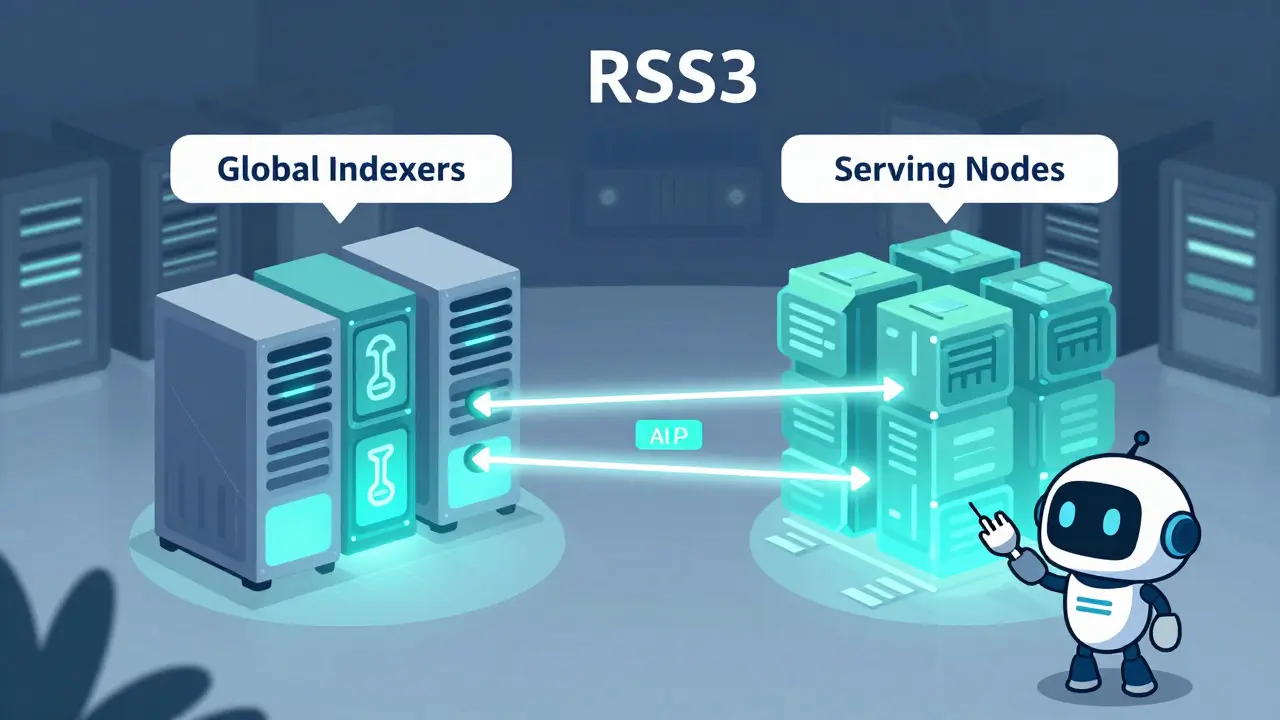
The technology behind RSS3 relies on a network of nodes that index and serve data. The architecture consists of two main types of participants:
- Global Indexers (GIs): These are high-level nodes responsible for collecting raw data from various blockchains and protocols. They ensure that all relevant on-chain events are captured and organized.
- Serving Nodes (SNs): These nodes handle the delivery of data to end-users and applications. When an app requests a specific user's RSS3 file, a Serving Node retrieves the structured data and sends it via a simple API.
Every user or entity on the network has an associated RSS3 file. This file is constantly updated as new on-chain activities occur. To keep the network secure and trustless, the protocol uses cryptographic mechanisms like Distributed Key Generation (DKG). This ensures that no single node can tamper with the data or censor a user's feed. The system is designed to be modular, meaning new data sources can be added over time without rebuilding the entire infrastructure. For developers, this translates to a straightforward integration process: you query the API, get the structured JSON data, and build your application logic on top of it.
Tokenomics: Supply, Utility, and Governance
The RSS3 token is an ERC-20 token deployed on Ethereum. It serves as the native fuel for the ecosystem. Unlike many utility tokens that have vague use cases, RSS3 has specific roles defined in its whitepaper:
- Gas and Fees: Users pay for advanced data requests and API services in RSS3.
- Node Operation: Global Indexers and Serving Nodes stake RSS3 to participate in the network, securing their position and earning rewards.
- Governance: Token holders vote on key protocol parameters, including node elections, module upgrades, and treasury management.
- Incentives: Data creators and consumers may earn tokens for contributing to or utilizing the open information layer.
The total supply is fixed at 1,000,000,000 tokens, created at genesis in February 2022. There is no inflationary minting mechanism; the supply is static. As of mid-2026, the circulating supply hovers around 800-987 million tokens, depending on the exchange reporting it. The remaining tokens are subject to long-term lockups for the team, investors, and ecosystem development. This fixed supply model is common among infrastructure projects aiming to avoid dilution over time.
| Attribute | Detail |
|---|---|
| Ticker Symbol | RSS3 |
| Blockchain | Ethereum (ERC-20) |
| Total Supply | 1,000,000,000 |
| Launch Date | February 2022 |
| Primary Use Case | Web3 Data Indexing & Distribution |
| Market Cap (Aug 2026) | ~$4M - $5.5M |
Market Performance and Current Status
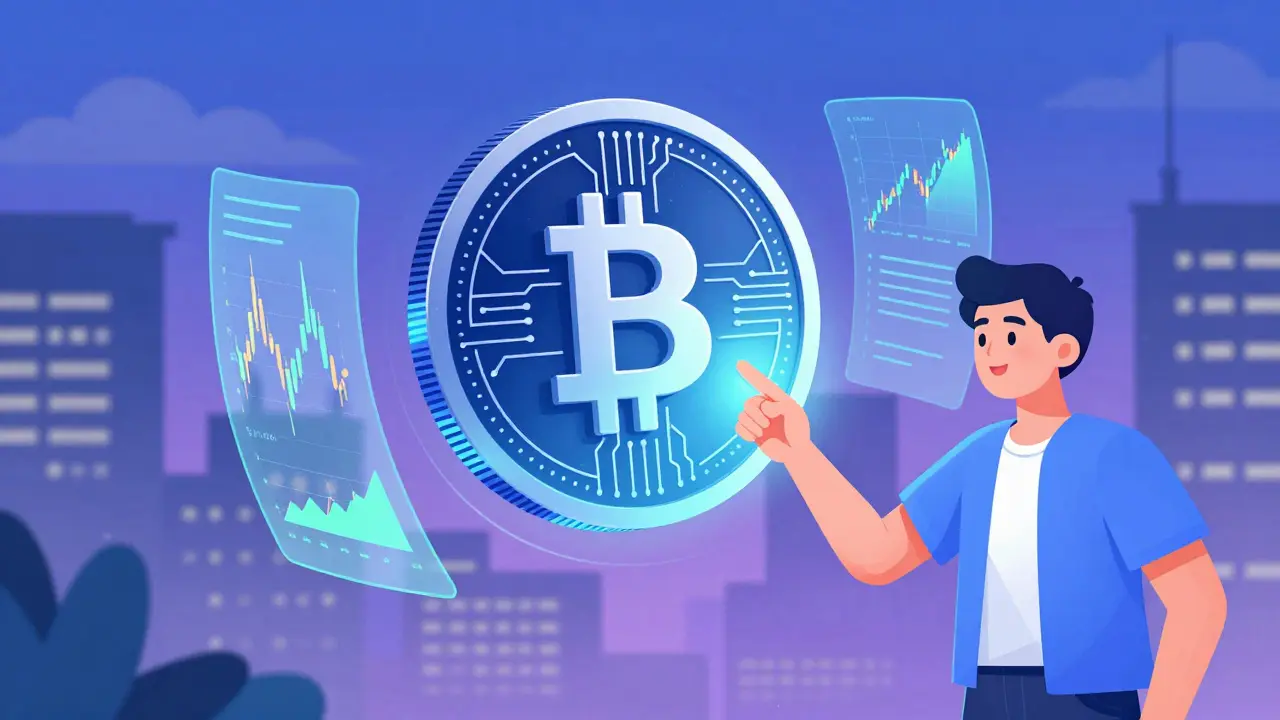
Let’s talk numbers, because context matters when evaluating any crypto asset. RSS3 reached its all-time high price of approximately $0.65 in March 2024. Since then, like many altcoins, it has experienced significant volatility. As of August 2026, the trading price sits between $0.0044 and $0.0058 USD per token. This represents a drawdown of roughly 99% from its peak. The current market capitalization is modest, ranging from $3.76 million to $5.44 million depending on the data source, placing it around rank #841 globally.
This low market cap indicates that RSS3 is currently a small-cap asset. It trades on major exchanges like Coinbase, Kraken, OKX, and Gate.io, ensuring decent liquidity for retail traders. However, daily trading volumes are relatively low, often under $100,000. This means that large orders can move the price significantly. For investors, this profile suggests higher risk but also potential for outsized returns if adoption accelerates. The project remains active, with continuous listings and updates from major exchanges confirming its operational status four years after launch.
Use Cases: Where Does RSS3 Fit In?
The primary value proposition of RSS3 lies in its ability to power decentralized applications (dApps) that need rich user context. Here are three concrete scenarios:
- Decentralized Social Media: Imagine a social platform where your follower count and interaction history are portable. If you switch apps, your reputation comes with you. RSS3 provides the underlying data layer to make this possible.
- AI Personalization: Artificial Intelligence models require clean, structured data to function well. RSS3 files provide a standardized format of user preferences and behaviors, which AI systems can ingest to offer hyper-personalized recommendations without relying on centralized data silos.
- Cross-Chain Analytics: Analysts and researchers can use RSS3 APIs to track trends across multiple blockchains simultaneously. Instead of querying five different chains separately, they query one unified interface that aggregates the data.
While flagship consumer apps haven’t yet dominated headlines, the infrastructure is being built for the next wave of Web3 products. The protocol positions itself as a bridge between Web3 and AI, a narrative that resonates strongly in the current tech landscape.

Getting Started: How to Buy and Store RSS3
If you’re interested in experimenting with RSS3, getting started is straightforward. Because it’s an ERC-20 token, it works with any standard Ethereum wallet like MetaMask or Ledger. To acquire the token, you can use major centralized exchanges such as Coinbase, Kraken, or OKX. The process involves creating an account, completing KYC verification, funding your account with fiat or stablecoins, and searching for the RSS3/USD or RSS3/ETH trading pair. Once purchased, you can hold the tokens on the exchange or withdraw them to a self-custody wallet for staking or governance participation.
For developers, the barrier to entry is lower than for general users. You don’t need to run a full node to start using the data. Simply accessing the public API endpoints allows you to fetch RSS3 files for any address. This makes it easy to prototype applications that leverage decentralized user data. The documentation provided by the project and exchanges offers clear guides on integrating these APIs into your stack.
Risks and Considerations
No investment is without risk, and RSS3 is no exception. The most significant risk is adoption. While the technical concept is sound, the protocol needs a critical mass of dApps and users to generate consistent demand for the token. Currently, the lack of visible, high-traffic flagship applications keeps sentiment cautious. Additionally, as a small-cap coin, RSS3 is sensitive to broader crypto market trends. A downturn in Ethereum or the overall altcoin sector could lead to further price declines.
There are also execution risks regarding the roadmap. The project aims to fully decentralize governance through RSS3DAO, but the timeline for complete community control remains fluid. Until then, key decisions may still involve the founding team. Investors should monitor the progress of node deployment and API usage metrics, as these are leading indicators of real-world utility rather than just speculative interest.
Is RSS3 a good investment in 2026?
RSS3 is a high-risk, high-reward asset. With a market cap under $6 million and a 99% drop from its all-time high, it appeals to speculative investors betting on Web3 data infrastructure growth. It is not suitable for conservative portfolios. Success depends on increased adoption by dApps and AI platforms.
How is RSS3 different from The Graph?
The Graph focuses on indexing blockchain data for developers to query subgraphs. RSS3 focuses on structuring user-specific data into personal feeds (RSS3 files) for social and AI applications. While both deal with data indexing, RSS3 emphasizes the 'persona' or user-centric view, making it more aligned with social and identity use cases.
Can I stake RSS3 to earn rewards?
Yes, staking is a core utility of the token. Node operators (Global Indexers and Serving Nodes) must stake RSS3 to secure the network and earn incentives. Individual holders may also participate in staking pools or governance proposals as the DAO matures, though direct staking options for retail users depend on the current state of the protocol's frontend tools.
Where can I buy RSS3?
RSS3 is listed on several major exchanges, including Coinbase, Kraken, OKX, Gate.io, and HTX. You can buy it using fiat currency or trade it against stablecoins like USDT or ETH. Always check the specific trading pairs available on your preferred exchange before executing a trade.
What is the maximum supply of RSS3?
The maximum supply of RSS3 is fixed at 1,000,000,000 tokens. All tokens were created at genesis in February 2022. There is no plan for additional minting, which helps prevent inflationary pressure on the token price over time.


24 Comments
Oh my god, did you all see the price chart? It's literally a straight line down to zero! 😭 I feel like we are all just holding digital rocks at this point. The 'Open Information Layer' sounds so fancy in the whitepaper but who actually uses it? I bought some in 2024 thinking I was smart and now I'm just sad. Can someone please tell me I'm not the only one feeling this pain right now?
It is interesting to consider the philosophical implications of data ownership here. While the market sentiment is low, the concept of a portable identity is fundamentally different from the siloed models of Web2. We often mistake utility for immediate profit, but infrastructure projects tend to have long adoption curves. Perhaps we should view this as a bet on the architecture of the future rather than a short-term trade.
Another American dream project. They always promise decentralization but end up controlled by VC funds. Good luck with that.
I think it’s really cool how they’re trying to bring back the spirit of RSS feeds for Web3! 🌟 If you want to try it out, just use any standard Ethereum wallet like MetaMask or Ledger. You can buy it on Coinbase or Kraken. Once you have it, you can hold it there or move it to self-custody if you want to stake later. It’s super easy to get started if you already know the basics! 💖
This is exactly what America needs! More innovation! 🇺🇸 Stop complaining about the price and start building something great! The rest of the world is sleeping while we are creating the future of the internet! Wake up people! This is our moment! Don't let these lazy Europeans steal our tech lead! 🚀💰
Just wanted to say, thanks for breaking down the node structure. The distinction between Global Indexers and Serving Nodes made a lot more sense to me after reading this. I’ve been struggling with how the data flow actually works without a central server.
One must observe that the current valuation is, shall we say, unremarkable. A market cap of under $6 million suggests that the 'institutional interest' is largely theoretical. For those of us who appreciate genuine technological merit over mere speculative hype, this asset remains an intriguing puzzle piece in the broader Web3 infrastructure landscape. One hopes for a clearer narrative before committing further capital.
I totally agree with the point about the AI personalization angle. It’s wild to think that your on-chain activity could actually train AI models without Facebook watching you. That’s pretty neat, honestly. I’m still learning about all this stuff though, so any tips on where to read more about the API integration would be awesome!
If you're looking at the technical side, remember that the DKG (Distributed Key Generation) is key here. It prevents single points of failure. :) Also, keep an eye on the API usage metrics; that's usually a better indicator of real adoption than the price chart. Happy to help if you get stuck with the docs!
Oh, isn't it *exquisite* to watch another grand vision crumble into dust? 😏 I mean, who *actually* wants their NFT purchases aggregated into a 'digital passport'? It feels so... pedestrian. But sure, let's pretend this is the savior of Web3. How delightfully naive of us all. 🙄✨
I find the comparison to The Graph quite illuminating. While The Graph indexes blockchain data for developers, RSS3 seems to focus on the user-centric persona. It’s a subtle but important distinction that might drive different types of dApps. I’m curious to see which model gains more traction in the next cycle. 🤔
Hey!! So glad u found this post!! i’ve been diving deep into web3 data layers lately & its so exciting!!! 🎉 the idea that ur social graph can follow u across apps is kinda mind-blowing right?? i mean, imagine switching platforms & keeping all ur reputation!! it’s like having a super-power for your digital identity!! 🌈✨ hope this helps u understand why im so pumped about it!!
You are missing the forest for the trees. The fixed supply is the most critical factor here. No inflation means no dilution. This is basic economics. Why do you need a degree in finance to understand that a static supply asset is superior to an inflationary one? It is simple math. Stop overthinking the 'narrative' and look at the tokenomics.
Listen up. This is pure American ingenuity. We built Ethereum, we built the exchanges, we built the demand. India and China can copy whatever they want, but the innovation hub is here. Buy domestic crypto or stay poor. Simple as that. 🇺🇸📈
The underlying infrastructure appears robust, yet the liquidity profile is concerning. With daily volumes sub-$100k, slippage will be a significant friction point for any serious institutional entry. The 'open information layer' moniker is somewhat grandiose given the current lack of flagship consumer applications. One must remain skeptical until the API call volume substantiates the hype.
I think it's a solid project overall. The team has been active since 2022, which is a good sign. I'm not sure about the price action, but the technology seems sound to me.
It is morally imperative that we support open standards! Closed gardens are the enemy of freedom! Who decided that Big Tech gets to own our data? Not us! This protocol is a moral victory for the people! Ignore the price, support the cause! 🗣️⚖️
Omg this is SO cool!! 🌟 I never thought about how my NFTs could be part of my social profile! It makes total sense! Let's go build the future together! 🚀💪
You guys need to stop being so negative! Look at the bright side! The infrastructure is there! The token is listed on major exchanges! That's huge! We just need more users to jump on board! Keep pushing! We can do this! 🔥🔥🔥
Let's cut through the noise. If you aren't using the API, you're just speculating. Check the developer docs. Build something. If you can't code, wait for the dApps to launch. Stop guessing based on charts. Action beats analysis paralysis every time. Get to work.
Great breakdown of the staking mechanics. For anyone wondering, staking is indeed a core utility. Node operators need to lock up tokens to secure the network. It’s a nice way to earn passive income while supporting the protocol. I’d recommend checking out the current APY on the dashboard before you commit too much capital, though.
Wait, so I can vote on protocol parameters? That’s actually pretty democratic! I love the idea of community control. It makes me feel like I actually own a piece of the ecosystem instead of just buying a stock. Pretty cool feature set for a small cap coin.
honestly the whole 'web3 social' thing feels like a rehash of old ideas but with more gas fees lol. but then again maybe i'm just cynical. the ai angle does seem promising tho. if they can get clean data flowing to models without big tech gatekeeping, thats a win. we'll see. fingers crossed it doesnt fizzle out like the last few waves did.
It is simply unacceptable that we allow centralized entities to hoard our data! This protocol is the only moral path forward! If you don't buy RSS3, you are complicit in the surveillance state! Wake up! The choice is clear! 🛑👮♂️