
- 29 Sep 2026
- Elara Crowthorne
- 0
Imagine you're in Wellington, checking the price of Bitcoin on your phone while waiting for a coffee. You want to trade, but the big exchanges feel like they need a PhD in finance just to navigate their dashboards. Enter Alterdice, a Singapore-based cryptocurrency exchange launched in October 2018 that prioritizes simplicity and security for everyday traders. It’s not trying to be the biggest player in the room. Instead, it’s aiming to be the easiest one to use. But does "easy" come at the cost of features or liquidity? That’s what we’re digging into today.
The Core Promise: Simplicity Without Sacrifice
Most crypto platforms suffer from feature bloat. They throw every chart type, order book depth indicator, and derivative option at you until you’re drowning in data. Alterdice takes a different approach. The platform markets itself as "the easiest way to trade, buy and sell digital currencies." For someone who just wants to swap Bitcoin or Ethereum without needing a tutorial on candlestick patterns, this is appealing.
The interface is clean. Whether you are on a desktop or using their dedicated mobile apps for iOS and Android, the experience remains consistent. You don’t get lost in menus. The design logic is straightforward: see the asset, check the price, execute the trade. This focus on user accessibility is their primary selling point, especially for newcomers who find traditional exchanges intimidating.
Security: The Foundation of Trust
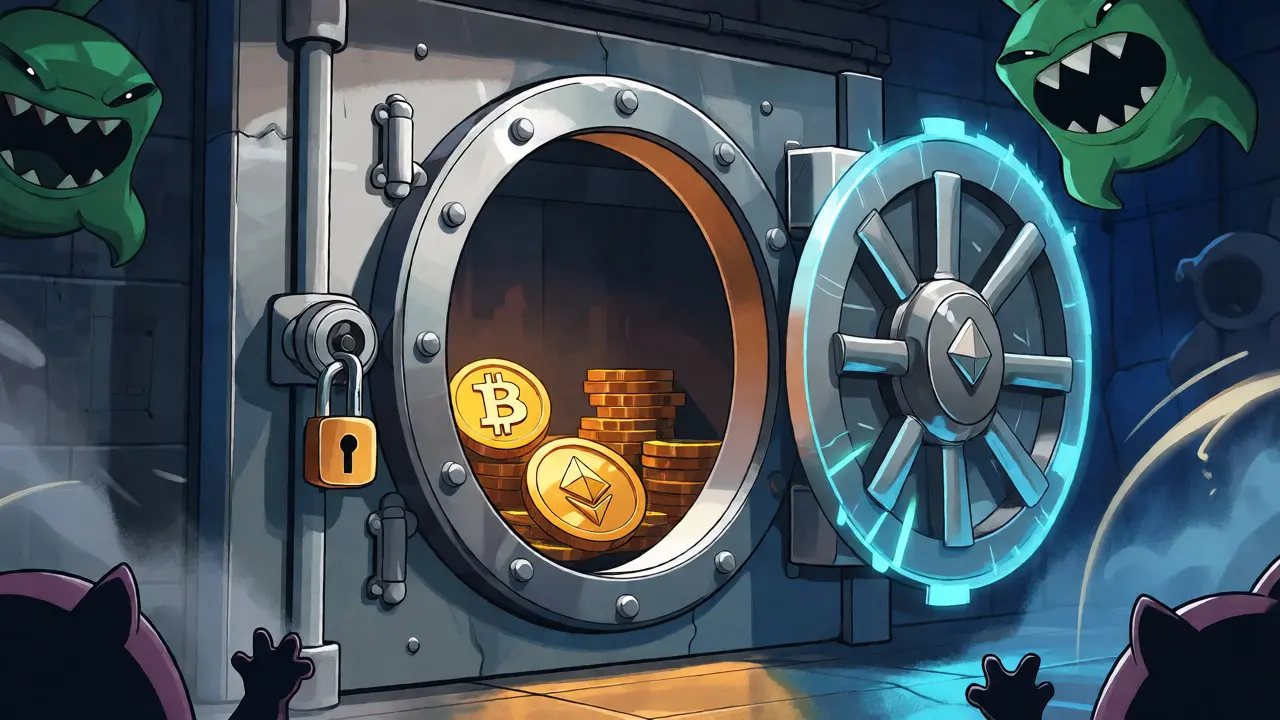
In the crypto world, if you can’t trust the vault, nothing else matters. Alterdice knows this. They’ve built their infrastructure around robust security protocols. A key stat here: 98% of customer funds are stored offline in cold storage. This means the vast majority of assets are kept away from internet-connected servers, significantly reducing the risk of hacks.
Beyond cold storage, the platform employs automatic DDoS attack protection and creates daily backups. Two-factor authentication (2FA) isn't an optional add-on; it’s mandatory for all users. This layer of defense is crucial when you consider how many phishing attacks target crypto wallets annually. While no system is bulletproof, Alterdice’s commitment to these industry-standard practices provides a solid baseline of safety.
Fees and Costs: What’s Your Bottom Line?
Let’s talk money. Nobody likes hidden fees eating into their profits. Alterdice structures its trading fees with a maximum ceiling of 0.2%. This rate depends on your trading activity level, meaning high-volume traders might see lower rates, though the cap ensures costs remain predictable for casual users.
Deposits are free across all supported assets. This is a nice touch compared to banks charging wire transfer fees or other exchanges levying deposit charges. Withdrawal fees are minimal, though they vary by coin due to network congestion costs. If you’re moving small amounts frequently, keep an eye on those withdrawal costs, as they can sometimes outweigh the trading fee savings.
| Feature | Details |
|---|---|
| Headquarters | Singapore |
| Launch Date | October 2018 |
| Trading Fees | Up to 0.2% |
| Cold Storage | 98% of funds |
| US Users | Not Supported |
Liquidity and Market Depth
Here is where size matters. Alterdice is a mid-tier exchange. In June 2019, its 24-hour trading volume was around USD 40 million. By December 2021, that had grown to USD 51 million. For context, major players like Coinbase or Binance handle billions daily. Does this matter? Yes, if you’re trading large blocks of assets.
For most retail traders buying standard amounts of XRP, BNB, Zcash, or Litecoin, the liquidity is sufficient. You won’t face massive slippage on typical trades. However, if you’re executing institutional-sized orders, you might notice wider spreads compared to top-tier exchanges. The order book depth is reasonable for day-to-day operations but lacks the sheer density of larger competitors.
Supported Assets and Integrations
Alterdice supports a solid range of cryptocurrencies, including the big names like Bitcoin and Ethereum, plus popular altcoins such as Ripple (XRP), Binance Coin (BNB), Zcash, and Litecoin. It doesn’t list thousands of obscure tokens, which keeps the selection curated rather than cluttered.
A standout feature is its integration ecosystem. The platform connects seamlessly with tools like CoinMarketCap, CoinGecko, and tax software like Koinly and CoinLedger. This interoperability saves time. You can track portfolio performance, generate tax reports, and monitor market trends without manually exporting CSV files constantly.
Who Should Avoid Alterdice?
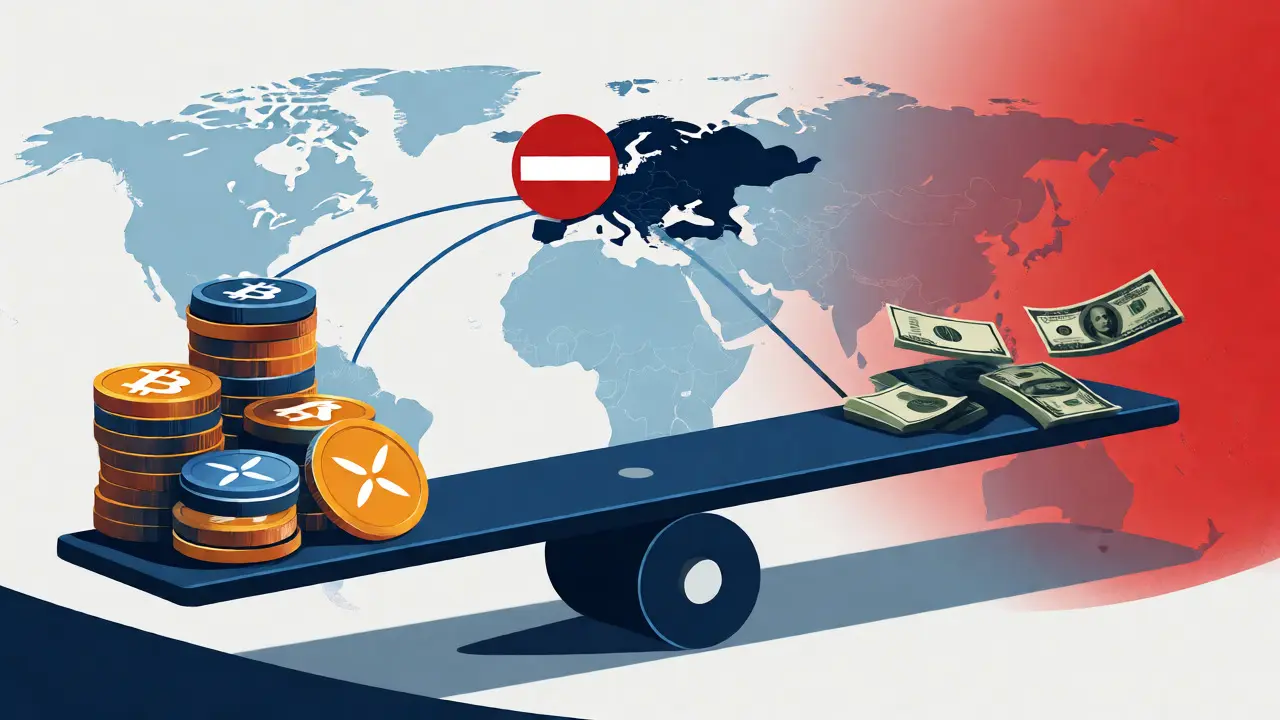
If you live in the United States, look elsewhere. Alterdice explicitly excludes US investors. This is likely due to regulatory complexities in the American market. Similarly, if you require advanced derivatives, margin trading, or futures contracts, you’ll find the platform lacking. It focuses on spot trading-the basic buying and selling of assets.
Traders seeking the absolute highest liquidity or the widest array of experimental tokens should stick to the giants. Alterdice is a specialist tool, not a general-purpose mega-platform.
Customer Support and Education
When things go wrong, speed matters. Alterdice offers 24/7 live representative availability, which is rare for smaller exchanges. Many mid-tier platforms rely solely on email tickets that take days to resolve. Having live support reduces anxiety during critical trading moments.
They also invest in education. The platform provides webinars, documentation, and even in-person training opportunities. This suggests they understand their audience includes people learning the ropes. If you’re new to crypto, these resources help bridge the knowledge gap before you start risking real money.
Final Verdict: Is It Worth Your Time?
Alterdice carves out a niche for users who value security and simplicity above all else. It’s not trying to win a popularity contest against Binance. It’s aiming to be the reliable, secure gateway for international traders who don’t want complexity.
If you are outside the US, prefer a clean interface, and trade moderate volumes, Alterdice is a strong contender. Its Singapore base adds a layer of regulatory credibility, and its security measures are robust. Just remember: check the current liquidity for the specific coin you want to trade. If the spread looks tight, you’re good to go.
Is Alterdice available in the United States?
No, Alterdice currently excludes US investors from its platform due to regulatory restrictions. Users must access the service from other jurisdictions.
What are the trading fees on Alterdice?
Trading fees have a maximum ceiling of 0.2%, depending on your trading volume. Deposits are generally free, while withdrawal fees vary by cryptocurrency network conditions.
How secure is Alterdice?
Alterdice stores 98% of customer funds in offline cold storage. It also uses mandatory two-factor authentication (2FA), daily backups, and automatic DDoS protection to safeguard accounts.
Does Alterdice offer mobile apps?
Yes, Alterdice provides native applications for iPhone, iPad, and Android devices, ensuring full functionality on mobile platforms alongside desktop support for Windows, Mac, and Linux.
Can I use API access on Alterdice?
Yes, the exchange provides comprehensive API access, allowing developers and automated traders to programmatically interact with all platform features for custom strategies.