
- 29 Mar 2026
- Elara Crowthorne
- 24
You might have found your way here because you heard the name Piexgo floating around old forums or saw a forgotten account notification. Here is the hard truth before you invest any more time: the Piexgo was a centralized digital currency trading platform based in Singapore. It officially ceased operations in 2021. If you are looking to trade there today, you cannot. The website is offline, the servers are silent, and the doors are locked. As we move through 2026, understanding why platforms disappear is just as critical as knowing how to use them.
The Death of a Platform
Most exchanges promise longevity, but many fail quietly. Piexgo joined what the industry calls the "exchange graveyard." On April 1, 2021, the lights went out. There was no press release explaining exactly where all the user funds went, which is the hallmark of a poorly managed shutdown. Tracking agencies like Cryptowisser marked the platform as discontinued on that date. By March 2020, just months before the final shutdown, major data aggregators stopped tracking its trading volume. That silence was a loud warning bell. For anyone holding assets there in late 2021, recovery was likely impossible without legal intervention, though even that would face hurdles due to the lack of public corporate records.
A Brief History of Operations
To understand the fall, we need to look at the rise. Piexgo launched with conflicting dates across reports-some say 2018, others confirm early 2019. It set up shop in Singapore, positioning itself within a booming Asian market hub. RootData shows they secured financing from Viking Capital on May 6, 2019. This funding suggests they started with some ambition. They planned to offer spot trading, over-the-counter (OTC) services, and eventually derivatives. However, promising derivatives never materialized fully before the crash. They operated under the address 1092 Lower Delta Road in Singapore. Yet, despite being registered, the team remained largely anonymous. Founders were not publicly disclosed. In the crypto world, anonymity is common, but when a company folds, you usually want to know who to hold accountable.
Trading Features During Its Prime
While active, the platform aimed to compete with giants by focusing on mobile users. A user named 'suzunagd69' documented on Steemit in March 2020 that the mobile application worked well on both Android and iOS. This cross-platform capability was a selling point for traders on the go. However, features alone do not sustain an ecosystem. They supported over 40 trading pairs and 27 cryptocurrencies. This sounds reasonable on paper, but compared to the thousands of pairs listed on competitors, the selection was narrow. They also featured an OTC desk, which theoretically allowed institutional clients to execute large orders without slippage. In practice, this service likely suffered from the same liquidity issues plaguing the rest of the order book.
Fee Structure and Costs
| Fee Type | Piexgo Rate | Industry Average |
|---|---|---|
| Maker Fee | 0.05% | 0.10% - 0.25% |
| Taker Fee | 0.15% | 0.15% - 0.25% |
| Withdrawal | Undisclosed | Variable |
When the platform was live, they tried to win users with aggressive pricing. The maker fee was set at 0.05%, which is significantly lower than the standard rates seen elsewhere. Takers paid 0.15%. On the surface, this looks attractive for high-volume traders. However, a critical gap existed regarding withdrawal fees. Reviews from independent researchers noted they could not find published withdrawal costs. In regulated finance, transparency on exit costs is mandatory. Hiding withdrawal fees often signals hidden penalties or potential friction when you try to take your profits home. This obscurity became a red flag for investors conducting due diligence.
Liquidity and Volume Concerns
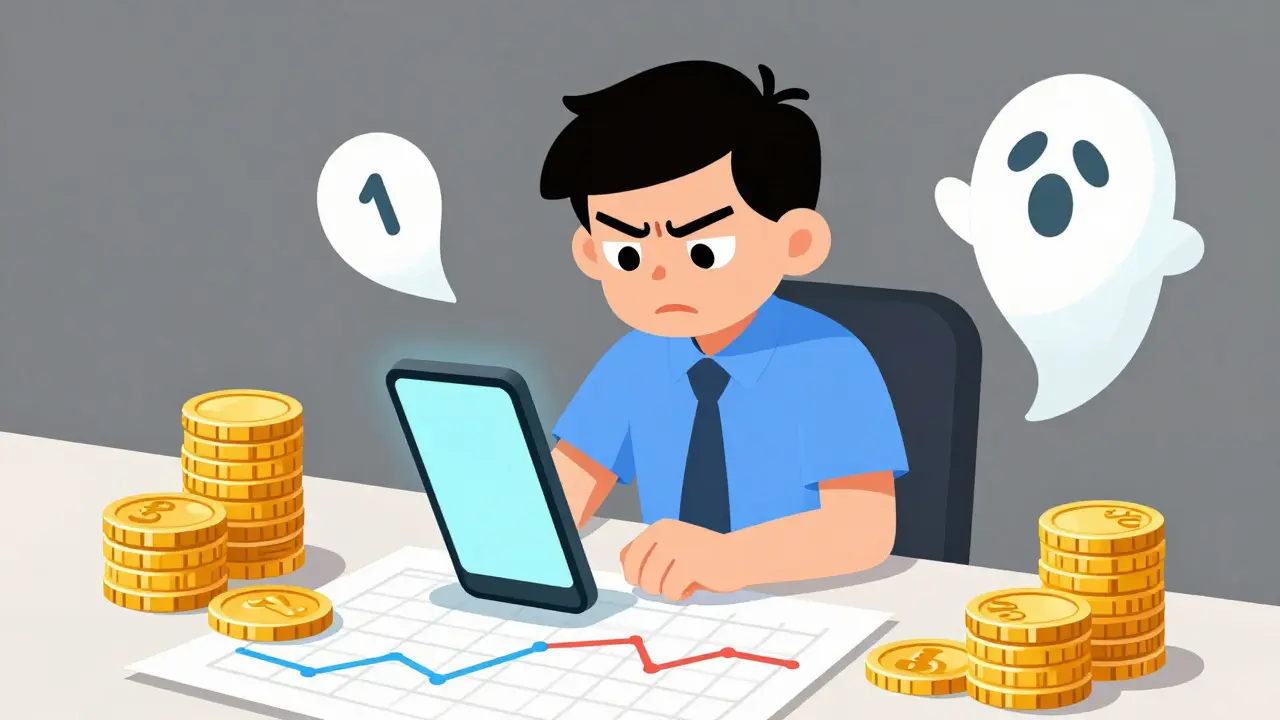
Liquidity is the lifeblood of any crypto exchange. Without enough buyers and sellers, you cannot execute trades easily. By March 2020, CoinGecko and CoinMarketCap reported zero verifiable trading volume for Piexgo. They classified it as an "Untracked Listing." This means their data feeds were not receiving credible activity reports. Professional analysts warned at the time that untracked volume implies a ghost town. When you see an exchange drop out of volume rankings while competitors grow, it usually precedes a shutdown. Piexgo managed to survive until April 2021 despite these signs, perhaps by relying on the initial deposit base rather than fresh inflows.
Security Claims Versus Reality
Their marketing materials promised "advanced security systems" and monthly audits. While having penetration tests is good practice, the exchange did not publish third-party audit results. In contrast, larger platforms often whitepapers their security protocols for community review. Piexgo claimed to have an international asset management team, yet offered no public verification of their qualifications. Optional KYC was another feature; they allowed accounts without full identity verification. While this appeals to privacy lovers, it also makes regulatory compliance difficult. When things go wrong, unverified accounts become harder to reconcile legally. In a vacuum of regulation, such policies can leave users unprotected.
No Fiat Gateway Limitation
One of the biggest barriers for new investors was the lack of fiat integration. You could not deposit US Dollars, Euros, or New Zealand Dollars directly. You had to buy crypto elsewhere and transfer it to Piexgo. This created a dependency chain. If your primary exchange banned transfers to Piexgo, or if you made a mistake with the wallet address, your funds could get stuck. In 2026, most users expect seamless fiat on-ramps. Exchanges that require a multi-step bridge process struggle to capture beginner interest. This limitation severely capped their user growth during their operational window.

Alternatives in the Current Market
Since Piexgo is gone, where should you look? The landscape has changed significantly between 2021 and 2026. Established players have matured. Binance the largest cryptocurrency exchange globally by volume. offers deep liquidity and a wide range of tokens. Coinbase a compliant US-based exchange known for regulatory adherence. is suitable for those prioritizing safety over complex features. Both offer transparent reporting and insurance funds for custodial assets. Always choose platforms that publish regular proof-of-reserves audits. Never trust a platform that operates in shadows.
Lessons From the Graveyard
This case study highlights the fragility of the exchange sector. Even with backing from venture capital firms like Viking Capital, business models can fail. Sustainability requires consistent volume, regulatory clarity, and transparent communication. Piexgo lacked all three. It serves as a reminder that a sleek app does not equal security. Before depositing funds anywhere, verify the domain age, check for volume data on CoinMarketCap, and read recent community sentiment. If you see warnings about missing withdrawals, listen to them. Trust, but verify.
Conclusion
While the dream of a competitive local exchange in Asia sounded promising for Piexgo, the execution fell short. Today, it stands as a cautionary tale. If you find yourself researching this name, assume it is dead and look for living options. Your capital deserves better protection than a vanished server.
Is Piexgo still active in 2026?
No, Piexgo permanently ceased operations on April 1, 2021. There is no current functionality or support available.
Can I recover funds from Piexgo?
Recovery is highly unlikely. The company did not issue official closure notices or asset migration instructions for remaining users.
Why did Piexgo shut down?
Industry analysis suggests insufficient trading volume, lack of fiat on-ramps, and unclear business practices led to its failure.
Did Piexgo accept credit card payments?
No, the exchange did not support fiat deposits. Users could only deposit cryptocurrency via other wallets.
Is my Piexgo account accessible?
You cannot log in. The servers have been taken offline, and credentials are no longer functional.

24 Comments
I used to trade here back in the day before it vanished into thin air like magic smoke really.
It is wild how fast these platforms can just drop off the grid completely.
I remember seeing their mobile app working fine on my iPhone around 2019 too.
But yeah now nothing works and you just end up staring at a dead server screen.
Hopefully people learn from this mess instead of trusting shady new sites.
Typical crypto scam where they take your money then run away to another country.
Singapore loves hiding bad business under fancy names and pretty apps.
You lose everything because nobody checks if they actually have coins.
Good thing we banned these risky places from our state taxes anyway.
Just stick to gold or cash because tech scams always hurt the real economy first.
Dont worry guys its just one bad apple among many good ones out there still.
There are plenty of other places that keep things safe and secure for us now.
I know it sucks losing funds but we gotta look forward not backwarss.
The market heals itself quick if we stay strong and smart together bruh.
Keep grinding and find better spots next time okay.
sad to see anyone get left hanging like that honestly it hurts when trust breaks down so easily
hope everyone takes what they learned and moves on gently without getting too angry about it
we all make mistakes in this space and sometimes companies just fold too quickly
peace love and safety for all traders out there keeping calm
The history of regional exchanges often shows similar patterns across different continents unfortunately.
What happened here serves as a lesson for communities globally regarding transparency needs.
We must respect the data provided while acknowledging the losses incurred by many early adopters.
Future protocols require stricter oversight to prevent such silent disappearances in any market.
It appears the operational lifespan was significantly shorter than anticipated based on initial financing reports.
The cessation of services aligns with broader trends observed in the sector during that period.
One must consider the lack of regulatory adherence as a primary contributing factor to the outcome.
Documentation suggests a complete absence of recovery mechanisms for affected parties involved.
Another one goes bust.
The financial architecture was fundamentally flawed from inception due to opaque governance structures.
Liquidity metrics were fabricated to attract volume during the early stages of operation.
Regulatory bodies in Singapore maintain records that confirm the legal dissolution occurred without asset transfer.
Investors should rely on established entities with audited proof of reserves moving forward.
Oh sure just close the doors and leave the customers stranded on a digital rock.
They probably spent the fees on private jets while pretending to manage a fund.
Nobody warned the public that an exchange could just ghost everyone like this.
Trust is dead in this industry and only the sharks survive the bloodbath.
You need to stand up for yourself if you think there is a way to claim damages legally.
Silence is not an option when your life savings vanish overnight without notice.
Gather your documentation and file complaints with the financial conduct authority immediately.
We cannot let bad actors walk away from fraud without facing some form of accountability.
Losers put money there and lost it all because they were greedy idiots.
Shouldnt trust anything online especially these fake coins that go nowhere.
If you got scammed blame yourself for not reading terms first ever.
Next time stop being stupid and keep your cash on ice.
Actually the LTV ratio suggests they burned cash faster than projected tokenomics allowed for sustainability.
The whale wallets likely rug pulled before the API endpoints went offline completely.
Most retail traders miss the order book manipulation indicators hidden in the tick data.
This wasnt a crash but a calculated exit strategy disguised as technical failure.
I remember hearing rumors about this place failing back when I started trading crypto.
And now looking at the dates it all makes perfect sense why nobody talks about it now.
The whole vibe was sketchy from day one because you could barely withdraw cash even after selling coins which was weird.
They kept pushing updates and saying everything was fine while behind the scenes the liquidity was drying up fast like water in sand.
People were complaining on forums but no one listened until the servers went dark and accounts locked forever.
Now we have to deal with legacy assets that nobody wants to touch because the keys are lost or stolen.
Hopefully the new regulations stop this kind of nonsense from happening to anyone else who trusts these apps blindly.
It takes years to rebuild confidence but it is worth trying to educate the community on risks.
Never again will I deposit into a platform without seeing their proof of reserves first hand.
Stay safe friends and dont repeat the same old cycle of greed and loss over and over again please.
Let us all move forward with better tools and safer options in mind always.
We must learn from the mistakes of others to survive the market crashes.
Even small details matter when it comes to choosing where to store your funds securely.
There are warning signs that appear early if you know how to spot them properly.
Trust your gut feeling when something seems too good to be true initially.
The tragedy of lost investments hits harder when you realize no backup exists anywhere for your account history.
Silence from leadership speaks louder than any apology letter ever could in this situation.
We watch our screens light up with errors while they move on to new ventures elsewhere.
It creates a deep scar on the psyche of the community who believed in the promise.
Such endeavors invariably fail when devoid of substantive institutional backing or genuine utility value proposition.
Mediocrity in security protocols inevitably results in obsolescence within volatile markets.
Discerning investors recognize the signs long before the official announcement of closure occurs naturally.
Only the sophisticated understand the true mechanics of capital flight in these scenarios.
It is really tough to read about this but I am glad we have more information now than before.
There are still great opportunities ahead if we pick the right partners carefully.
Let us help each other find safe paths forward in 2026 and beyond.
Positivity helps us heal from past losses and grow stronger together as a group.
do you feel the weight of all those people losing their life savings just because of greed yes it is heavy indeed.
i feel bad knowing the stress this caused families trying to recover funds now.
nothing feels right when you realize your hard work is gone forever without a trace.
It is okay to feel upset but we should try to learn from this mistake.
Money is important but peace of mind matters more for everyone now.
Let us focus on being safe and not rushing into new deals too fast.
Simple choices lead to better outcomes for us all eventually.
The impermanence of digital ledgers highlights a philosophical truth about trust in decentralized systems versus centralized control.
We observe how power concentrates in hands that eventually disappear without consequence for the masses.
This event forces society to question the nature of value storage in the modern age.
True security lies not in code alone but in the integrity of human governance behind it.
We need to demand better rules from companies before putting our money in anywhere.
If they hide things then we should stay far away from them completely.
Being assertive means checking facts and not letting anyone trick us easily.
Good news is better options exist today so we can protect ourselves well.
yeah its crazy how fast things change in this world honestly.
just keep chill and dont let the drama ruin your day though.
we can all share info and help each other out when stuff like this pops up.
no biggie just move on and find better vibes later.
🤡💸 Scammers everywhere bro 😒😩
You should check your own wallet first 🧐🔍
Don't fall for next fake exchange 💀🚫
Stay safe my friend 🙏🕶️ #crypto 🔥⚠️
Statistical analysis confirms high correlation between anonymous teams and eventual bankruptcy in this sector.
User sentiment decayed rapidly prior to the final shutdown date recorded.
Financial models predicted insolvency twelve months before actual cessation occurred publicly.
Rational actors would have divested assets upon seeing the volume drop to zero.
When we reflect on the narrative arc of a startup that began with promise and ended in silence we must acknowledge the cyclical nature of financial bubbles.
The initial excitement generated by promises of innovation often obscures the underlying fragility of the business model employed.
It becomes evident that sustainability requires not just technology but also a culture of transparency and ethical responsibility.
Without these foundational elements any structure built upon speculation is destined to crumble under the weight of reality.
Therefore we draw wisdom from the ashes of failures to build more resilient systems for the future generations coming.