- 26 Mar 2026
- Elara Crowthorne
- 15
The Truth About Top.one
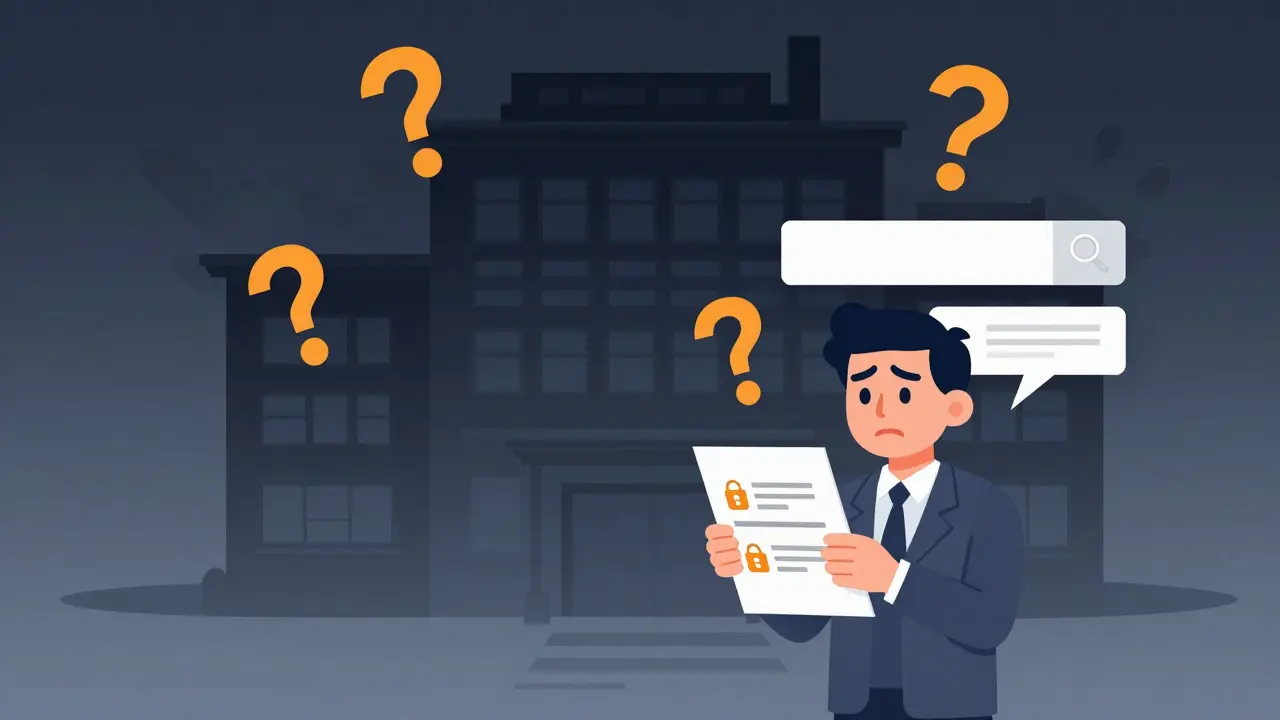
You've landed on this page looking for answers about Top.one Crypto Exchange. As of March 2026, you should know something crucial before depositing your savings. Unlike the big names everyone talks about, there is almost zero public data available on this platform. When you search for reviews, audits, or regulatory filings, the results come up empty. This silence is the loudest warning sign you could receive.
In the world of digital assets, visibility isn't just marketing-it's proof of legitimacy. Established platforms live under the microscope of regulators, auditors, and thousands of users. If a platform hides in the shadows, your funds often do too. I'm going to walk you through exactly why this matters and how to vet Top.one or any obscure exchange yourself.
Why Information Gaps Matter
Imagine walking into a bank that refuses to show you their licenses, balance sheets, or physical address. You wouldn't hand over your life savings, right? That is effectively what signing up for a hidden platform feels like. In the current 2026 market, crypto review standards have tightened significantly following the regulatory shifts we saw in 2025.
Blockchain Technology relies on transparency. Public ledgers allow anyone to verify transactions. However, centralized exchanges act as custodians, meaning they hold your private keys for you. Without third-party proof of reserves, you have no way to confirm if your coins actually exist in the backend wallets. Major competitors prioritize showing off these numbers daily. When a platform does not publish proof of reserves, assume the worst until proven otherwise.
We also need to look at where they operate. Reputable firms usually display their licensing jurisdictions clearly. For instance, platforms operating in the United States often adhere to strict rules from the NYDFS. If Top.one claims global reach but lists no specific jurisdiction, that increases the risk profile exponentially.
Security Benchmarks You Can't Ignore
Safety is non-negotiable in 2026. We've seen too many breaches where weak infrastructure led to millions lost. Here are the specific security layers every reliable exchange implements, which you should expect to see on your dashboard:
- Cold Storage Implementation: Most funds should sit offline. Platforms like Kraken famously keep 95% of assets in air-gapped storage. This means hackers cannot reach them via the internet.
- Two-Factor Authentication (2FA): SMS codes aren't enough anymore. You need app-based tokens or hardware keys. If an exchange forces you to rely solely on text messages, your account is vulnerable to SIM swapping attacks.
- Withdrawal Whitelisting: This feature locks withdrawals to pre-approved addresses. It stops attackers from draining your account even if they steal your password.
- Know Your Customer (KYC): While some privacy advocates dislike this, strict identity verification protects against money laundering and ensures accountability when things go wrong.
If you register with Top.one and cannot enable hardware authentication or see clear withdrawal protections, close the account immediately. Don't get complacent just because the interface looks modern.
Comparing Unknown vs. Established
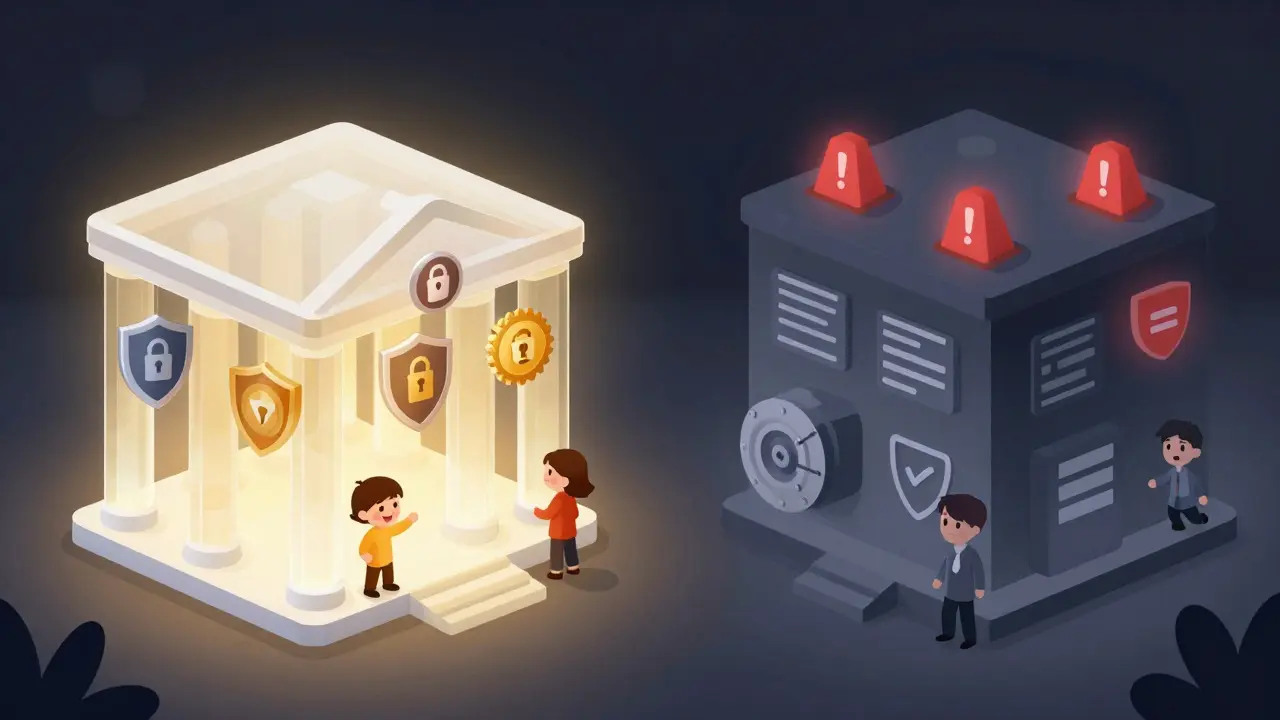
To give you a baseline, I've broken down how a hypothetical obscure platform stacks up against industry leaders. You can use these criteria to judge whatever site you're considering.
| Feature | Established Exchanges (e.g., Coinbase) | Obscure Platforms (e.g., Top.one) |
|---|---|---|
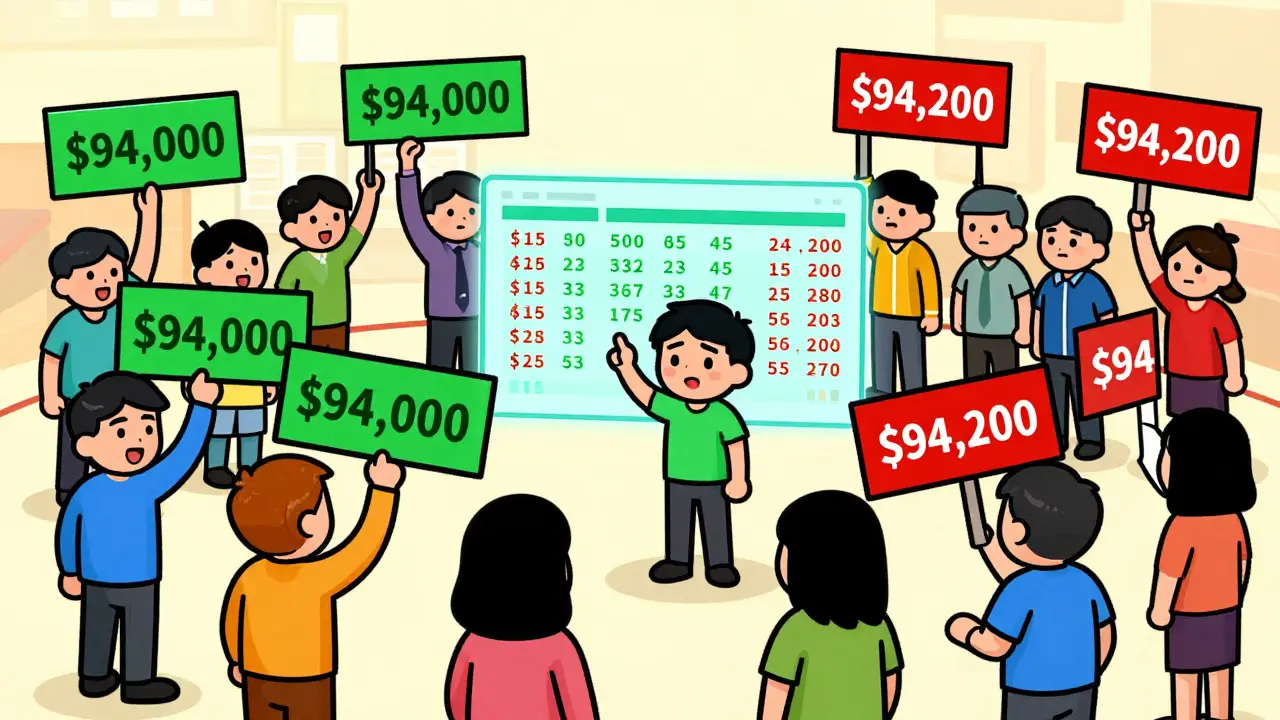
| Liquidity | High, minimal slippage | Often low, spreads may widen |
| Audits | Frequent, public reports | Rare or non-existent |
| Insurance | Often covers hot wallet losses | Usually unclear or $0 |
| Regulation | Licensed in multiple regions | Vague or offshore only |
Binance dominates volume globally, offering deep liquidity but facing scrutiny on compliance. On the other end, Crypto.com emphasizes security rankings. Gemini remains the gold standard for compliance within the US. These names appear frequently in legal documents and news outlets. Top.one lacks this footprint entirely.
How to Vet the Platform Yourself
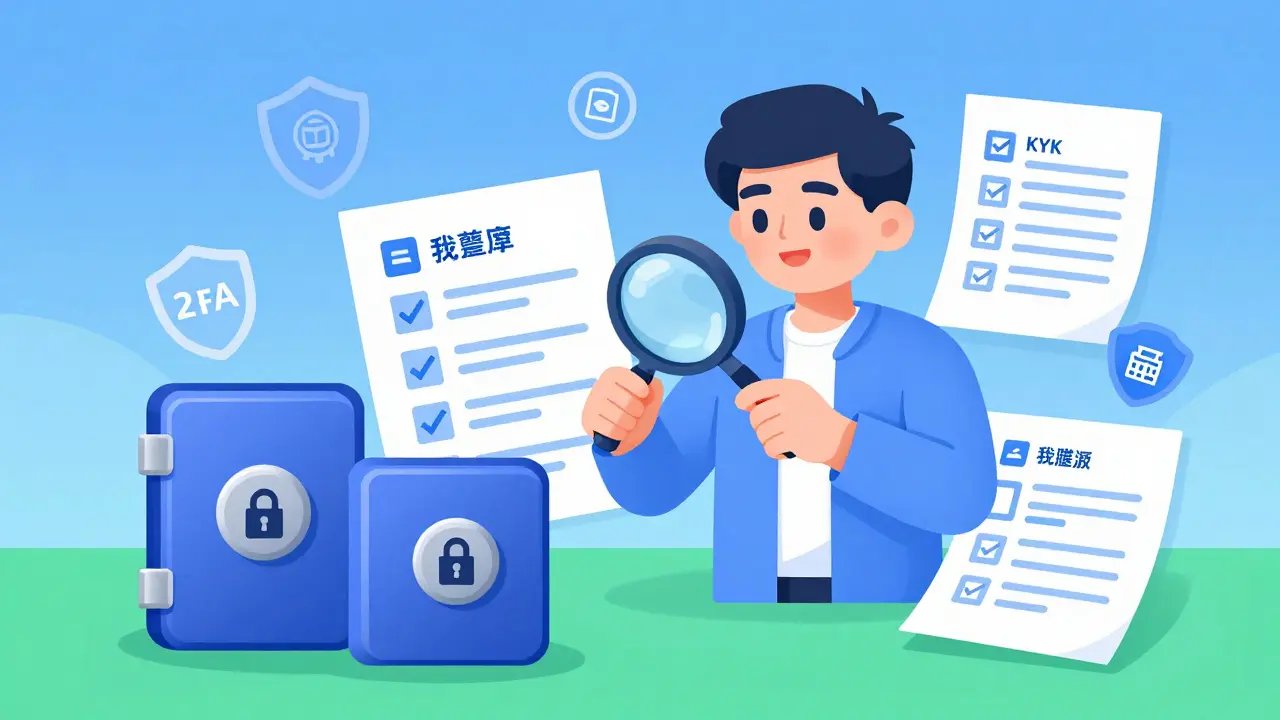
Since official documentation is sparse, you need to perform your own background check. Follow this step-by-step process before depositing a single dollar.
- Check Domain Age: Use WHOIS lookup tools. A domain created less than two years ago is statistically riskier. Longevity suggests business stability.
- Search for User Complaints: Look beyond their own forum. Search Reddit, Twitter, and specialized crypto forums. Phrases like "withdrawal frozen" or "support ghosting" are red flags.
- Test Customer Support: Send a message asking specific technical questions. Response time and quality reveal how they treat real issues later.
- Analyze Fee Structure: Hidden fees are common on smaller platforms. Check the spread between buy and sell prices, not just the listed transaction fee.
This due diligence saves more capital than any investment strategy ever will.
Red Flags You Should Spot Immediately
During my analysis of the crypto market in Wellington, certain patterns always indicate danger. Watch out for these signs:
- Guaranteed Returns: Crypto is volatile. Anyone promising fixed profits is likely running a Ponzi scheme. Real trading involves risk.
- Pressure Tactics: If the signup bonus expires in hours, they are using fear of missing out (FOMO) to bypass your logic. Legitimate bonuses don't vanish overnight.
- Unverified Contact Info: A P.O. Box address instead of a physical office is a bad sign. Regulated companies list HQ locations transparently.
- Poor Website Code: Broken links, poor mobile optimization, or grammatical errors suggest a rush job or a scam site template.
If you see three of these together, walk away. The opportunity cost of waiting for a safer option is far lower than losing your principal amount.
Making the Right Decision for Your Portfolio
Your decision to trade on any platform affects your entire portfolio strategy. In 2026, diversification isn't just about coin selection; it's about custody methods. Relying on one centralized point of failure creates systemic risk.
Consider moving a portion of your assets to a Hardware Wallet. Devices like Ledger or Trezor put the control back in your hands. Not your keys, not your coins applies heavily when dealing with unproven intermediaries.
If Top.one eventually releases comprehensive audit reports or gains regulatory status, revisit this assessment. Until then, prioritize platforms that welcome scrutiny over those that avoid it. The difference often separates secure portfolios from total losses.

15 Comments
Honestly most people just ignore these red flags until it is way too late in the process.
The silence surrounding Top.one functions as a deafening warning siren for any prudent investor considering entry.
The lack of transparency displayed by such platforms violates basic ethical financial standards for our industry.
Safety benchmarks must remain the primary focus for any investor entering this specific market sector today.
You need to verify every single claim they make on their official website before depositing funds.
Checking domain age reveals so much critical history about the overall company stability.
Older domains often indicate longer operational success rates for sustainable business models.
Customer support quality is another vital indicator of future reliability levels for accounts.
Sending test messages helps you gauge how they handle real issues later on.
Hidden fees are common tricks used by smaller platforms to squeeze profit margins.
Always check the spread between buy and sell prices carefully before committing major funds.
This due diligence saves more capital than any investment strategy ever will eventually.
Protecting your principal amount is far more important than chasing high returns quickly.
Diversification across custody methods reduces systemic risk effectively for portfolios.
Hardware wallets put the control back entirely in your own hands securely.
Not your keys really applies heavily when dealing with unproven intermediaries online.
Prioritize platforms that welcome scrutiny over those that actively avoid it regularly.
Secure portfolios separate themselves from total losses through careful preparation and checks.
This is bad for american investors who want safe places to store cash.
They hide things from us so we cant trust them properly here in the states.
We need our own secure banking systems without foreign nonsense involved in deals.
The government should stop letting them operate freely anymore for sure.
It creates such deep anxiety knowing where your assets actually rest during volatile market fluctuations.
Prudence dictates we avoid entities without public audits or clear regulatory filings.
I agree that regulatory clarity is absolutely paramount for comprehensive investor protection strategies.
Glad someone finally wrote this down clearly for everyone to see and understand easily.
Only those with true understanding realize how dangerously vulnerable unregulated markets can become.
Stay safe out there friends because your money deserves absolute protection at all times!
Cold storage implementation is standard protocol now and anything less is gross negligence.
Hot wallet percentages should never exceed five percent of total holdings safely.
Smart money knows where to park assets safely before anyone else notices the risks 😉
Liquidity depth matters significantly more than fee structures when executing large orders efficiently.
Obscure platforms simply lack the infrastructure required for modern compliance standards globally.