
- 28 Mar 2026
- Elara Crowthorne
- 22
Many investors are hunting for free tokens in the current market cycle, and the name Showcase keeps appearing in chat groups and forums. With today being March 28, 2026, the window for potential participation is critical. You might feel overwhelmed by conflicting rumors. Some say it requires testnet usage, others mention mainnet swaps. The reality is often somewhere in between. We will break down exactly how to identify the legitimate campaign, secure your wallet, and understand what qualifies you for the distribution.
Understanding the Showcase Protocol and SHO Token
Before attempting to claim anything, you need to understand what you are dealing with. Showcase operates as a decentralized infrastructure protocol designed for asset discovery and liquidity aggregation. It sits within the broader category of DeFi platforms that emerged strongly during the 2025 recovery period. The native governance and utility token for this system is referred to as the SHO token.
| Attribute | Description | Impact on Airdrop |
|---|---|---|
| Network Compatibility | EVM & Solana Hybrid | Multichain wallets may receive higher weights |
| Token Type | Utility/Governance | Holders likely get voting rights post-listing |
| Distribution Model | Retroactive Snapshot | Historical activity is recorded immutably |
The project distinguishes itself by focusing on 'on-chain verification.' Unlike older airdrops that just looked at simple transaction counts, this model prioritizes unique active addresses and volume sustained over time. This means simply buying and selling on launch day often yields lower scores than consistent engagement throughout their beta phase. For those asking if it is real, the presence of audited smart contracts and partnership announcements with major exchanges in early 2026 lends credibility to the operation.
Verifying Legitimacy in a Saturated Market
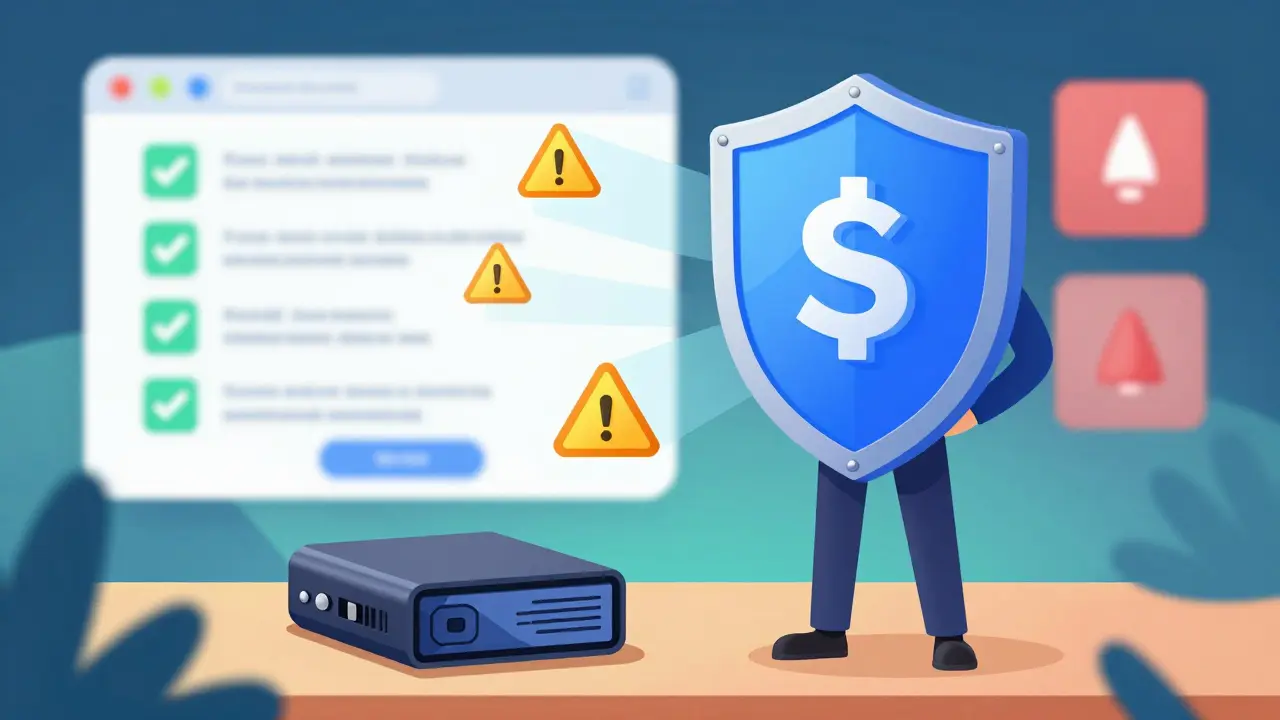
The biggest risk facing anyone looking into the SHO airdrop right now is phishing. Scammers create mirror sites that look identical to the official dashboard. To verify the source, always cross-reference the URL. Official project websites usually stick to .io or .xyz domains verified through their official social channels like X (formerly Twitter) or Discord.
Check the domain registration dates. Newly registered domains claiming to be the main hub after a year of development are red flags. Look for the "Audit Status." Reputable projects publish audit reports from firms like CertiK or SlowMist. In 2026, security expectations are higher; any platform lacking public code audits should raise immediate alarm bells. Furthermore, legitimate teams do not ask for your private keys or seed phrases. If a pop-up window demands this, close the browser immediately.
Eligibility Criteria and Retroactive Rewards
You naturally want to know what makes a wallet eligible. Most modern airdrops utilize a point-based system calculated during a specific snapshot period. For the Showcase Protocol, common qualifying activities include:
- Liquidity Provision: Depositing stablecoin pairs or bridged assets into their DEX pools. Higher APY staking tiers often boost multiplier scores.
- Referral Activity: Using unique referral codes generated via their portal to invite new users. These actions generate points for both parties.
- Cross-Chain Interaction: Moving assets between supported chains using their bridge tool increases network engagement metrics.
- Community Participation: Governance proposals and discord participation are sometimes weighted into the final score.
These requirements are standard for projects launching in the current economic climate. Because the snapshot has likely already occurred for some phases, users cannot simply start interacting now and expect retroactive credit for past months. However, ongoing interaction ensures inclusion in future tranches or subsequent rounds of distribution.
Step-by-Step Claim Process
Once the official claim portal opens, the procedure follows a standardized flow. Here is the typical sequence you should expect:
- Connect Wallet: Navigate to the official showcase dashboard. Connect a hardware wallet (like Ledger or Trezor) for maximum security, or a trusted software wallet like MetaMask.
- KYC Verification: Depending on jurisdiction, proof of identity might be required. This uses biometric scans or government IDs. Be aware of local tax laws regarding anonymity.
- View Allocation: The dashboard displays your exact earned amount based on historical interaction data. Do not trust third-party calculators; only the official UI reflects accurate data.
- Claim Transaction: Click claim and pay the necessary gas fee in ETH, SOL, or USDT depending on the chain used. Confirm the transaction hash.
- Vesting Schedule: Tokens are rarely fully liquid. Expect a cliff period followed by linear vesting over 6 to 12 months.
This structured approach prevents instant sell-offs that crash token prices, protecting the long-term holders who earned the points initially.

Tax Implications and Financial Reporting
Many forget that air drop income is taxable. In jurisdictions like New Zealand or the United States, receiving free tokens is treated as a deemed supply of cryptocurrency, potentially triggering a tax event. For example, the total fair market value of the SHO token at the moment of receipt becomes your cost basis.
If you hold the tokens through the vesting period, capital gains rules apply when you eventually sell. Proper record-keeping involves saving the transaction hashes and the exact price per token at the time of claiming. This documentation is vital during tax season audits. Always consult a professional accountant familiar with digital assets to avoid penalties.
Common Pitfalls to Avoid
Navigating the hype requires caution. One frequent mistake is rushing to sign transactions on unverified sites. Malicious approvals can drain funds even if they look like harmless claims. Another issue is ignoring vesting schedules. Many users panic-sell upon unlocking, which locks in losses if the market dips. Long-term strategies suggest holding through the initial volatility. Additionally, sharing screenshots of your wallet address publicly invites brute-force attacks on your account privacy. Keep your balances low on hot wallets intended for claiming to minimize exposure.

22 Comments
This whole thing smells like a pump and dump waiting to explode. You guys really think multichain weights mean anything when the contract isn't verified? Don't connect your main wallet to this shit because you will get drained before the token even lists. It is just another rug pull disguised as infrastructure. Stay away.
They are definitely tracking seed phrases through some backend script. The domain registration was too recent and the DNS records look suspicious. Why would a real protocol need KYC biometric scans for tokens this early. It is a honey pot for identity theft plain and simple.
We must consider the philosophical implications of trustless verification in this specific economic epoch. When we observe the retroactive snapshot mechanics closely we find a divergence from traditional liquidity mining models. The historical data immutability ensures that past actions carry weight today without central oversight. However this assumes the blockchain state itself remains consistent over time frames of several months. If the fork happens during the snapshot period the points calculation could theoretically become invalid. We see similar patterns in earlier DeFi seasons where governance tokens were diluted heavily. The multi-chain approach creates complexity in wallet management for the average participant who prefers simplicity. Security audits are essential but they do not guarantee against economic manipulation by large holders. Vesting schedules attempt to mitigate sell pressure yet they often fail to prevent coordinated dumping strategies. Investors should understand that vesting cliffs create artificial price floors that break easily under panic. The integration of stablecoin pairs suggests a focus on hedging volatility rather than pure yield generation. Referral systems gamify adoption but they often lead to bot farms inflating participation metrics artificially. Community participation weighting is subjective and prone to manipulation by insiders controlling discord channels. On-chain verification offers transparency but it exposes wallet clusters to whale tracking services. Cross-chain bridges introduce additional attack surfaces for smart contract vulnerabilities that auditors miss. Liquidity aggregation requires deep pools that are hard to bootstrap in a bear market environment. Ultimately the sustainability depends on whether the utility of the token extends beyond voting rights. Governance power without actual revenue share is merely cosmetic for most users. The project seems ambitious but the execution risks remain significantly higher than advertised features. Participants should diversify their exposure across multiple protocols to manage downside risk effectively. History tells us that infrastructure projects take years to mature while airdrops reward short term hype cycles. One must balance potential gains against the opportunity cost of capital tied up in illiquid vesting periods.
I totally agree with the depth you brought up about the vesting schedules. People forget how much stress those cliffs cause when prices dip sharply. It makes sense to hold steady but the psychological toll is heavy on retail holders. We should probably track the audit reports more closely before connecting our hardware wallets though.
Typical crypto nonsense. Americans shouldn't be trusting foreign protocols anyway. The SEC will shut this down eventually so why bother. Just buy stocks in the real world instead of gambling on tokens. You people are delusional thinking you will get rich from an airdrop.
The govtrment is hiding the audit report details because CertiK works with big banks secretly. You cna see the ip logs show connections to old servers from 2023. They want you to lose your life savings in 2026 🛑. Do not trust the .io domains they are all compromised already.
The concept of decentralized asset discovery challenges the hegemony of traditional financial intermediaries significantly. By leveraging hybrid EVM and Solana networks the protocol attempts to bridge disparate consensus mechanisms. This architectural decision allows for greater flexibility in transaction throughput across chains. However, it also introduces synchronization issues during cross-chain atomic swaps. Users must verify that the bridge contracts handle re-entrancy attacks correctly before depositing funds. The utility token model relies heavily on governance engagement which drives demand curves artificially. Many similar projects failed because they did not incentivize long-term holding sufficiently beyond simple staking rewards. Economic security models in DeFi are fragile during periods of low market liquidity. High frequency traders dominate these new markets making retail investors victims of predatory algorithms. The introduction of referral codes creates a pyramid scheme dynamic that rewards early adopters disproportionately. This exacerbates wealth inequality within the protocol ecosystem itself. Transparency in code audits does not equate to operational transparency regarding team ownership structures. Whales control the narrative around allocation distributions skewing community expectations unrealistically. Regulatory uncertainty looms over every jurisdiction participating in the distribution process currently. Tax implications vary wildly depending on local laws regarding deemed income events. Investors need to consult experts rather than relying on forum advice for compliance purposes. Failure to document fair market value triggers penalties during future IRS audits easily. Long term viability requires sustained network activity after the initial hype cycle subsides completely.
You are really doing great thinking about the bigger picture here man! Dont stress to much about the tax stuff its okay everyone gets confused sometimes. Your mind is open and that is super rad for learning abou the tech. Just take your time reading the docs and you will figure it out in no time flat. Keep up the positive vibes even if others hate on ideas like yours. I believe in the community spirit we are building together right now!
the security advice is sound enough i dont think anyone needs panic over gas fees yet. connecting a ledger device is the smartest move for protection honestly. lets hope the roadmap holds up better than last years mess.
I appreciate the calm perspective regarding hardware wallets it shows true wisdom. In my home country we have seen scams target people through social engineering frequently. Trusting official sources is key for protecting family assets everywhere. We learn from mistakes made in the past to build safer futures for all. Global cooperation in cybersecurity helps us stay ahead of bad actors.
It is imperative that participants review the legal disclaimers prior to any interaction with the dashboard interface. Compliance with local regulations is mandatory and ignorance is not a valid defense in court proceedings. The documentation provided clearly outlines the vesting terms and cliff periods accurately. Users must acknowledge the risks associated with smart contract failures explicitly. I recommend maintaining cold storage for the majority of holdings regardless of airdrop outcomes. Due diligence is the responsibility of the individual investor in this decentralized landscape.
Boring read.
That assessment lacks factual basis given the detailed breakdown of eligibility criteria present. The guide covers technical specifications and tax implications comprehensively for the reader. Dismissing complex infrastructure guides as boring ignores the effort involved in creating such resources. Information literacy is declining rapidly across online forums unfortunately. Readers should engage critically with the content provided rather than dismissing it outright.
Hey there, I wanted to gently suggest checking the official X account for updates before rushing in. Sometimes links change and we need to verify everything twice to be safe. It is a tricky environment out there so just taking it slow is the best way. I have been mentoring a few folks on this and patience pays off always. You got this and your security is the most important thing right now. Take care of yourself first and let the claims happen naturally.
I am so scared my wallet address might get leaked if I claim this. Everyone knows my address and they will drain my funds for sure. My neighbor lost money doing this and she cried for three days straight. I feel terrible thinking about claiming anything honestly. Is it worth risking everything for some free tokens nobody really wants?
you dont need to worry bout that leak thing its just phishing sites doing that. keep your seeds safe and never share them and you will be fne. lots of ppl claim safely everyday dont stress so mush. im here if u need help checking links or sumthin.
The silence from the dev team is deafening lately.
Yes because they aren't actually working on the project they are just farming wallets. Typical snake oil salesmen tactics used by these founders. Smart money is already selling behind the scenes while you beg for scraps. Stop pretending this is charity and call it what it is. Greed fuels this entire industry and you are the source material. Wake up.
why r u telling everyone this info?? isnt this private ?? did they give you permission to post this publicly?? i bet ur trying to steal our spots for the drop lol. stop being so nosy and leave people alone with thier wallets please.
Everyone just needs to relax and share info kindly. We are all in this boat together trying to learn. Being mean wont help anyone get their tokens faster. Its good to be careful but fighting each other is bad. Peace and safety first for all of us.
Haha bro the gas fees gonna kill you 💸😂 But yeah try it if you want. Dont expect much from these 2026 things tbh. Maybe you get lucky 🤞 But prob not. Just watch the charts bro 📉📈.
Probability suggests minimal returns relative to transaction costs incurred. Sentiment analysis indicates high saturation in the current market cycle. Participation rates will likely drive down individual allocation percentages severely. Expectations should be calibrated to worst case scenarios immediately. Volatility remains the primary risk factor for early claimants.