SOHO19 Crypto District

Korea Crypto Tax Threshold: What You Owe and How to Stay Compliant

When you trade or hold cryptocurrency in South Korea, a country that treats crypto as a taxable asset under its Financial Services Commission and Korea Financial Intelligence Unit. Also known as Korea, it requires all crypto gains to be reported as income, regardless of how small the profit. Unlike some countries that let you earn a few hundred dollars tax-free, Korea crypto tax threshold doesn’t exist—every single profit, even $5 from swapping tokens, is taxable.

This isn’t about big trades or whales. It’s about everyday users who bought Bitcoin on Binance, sold it on Upbit, or earned staking rewards on a DeFi app. The Korea Financial Intelligence Unit, the agency that tracks suspicious crypto flows and enforces AML rules. Also known as KFIU, it works with exchanges to collect user data. If you used a Korean exchange like Upbit or Bithumb since 2022, they already reported your transaction history to the tax office. You don’t get to hide behind anonymity.

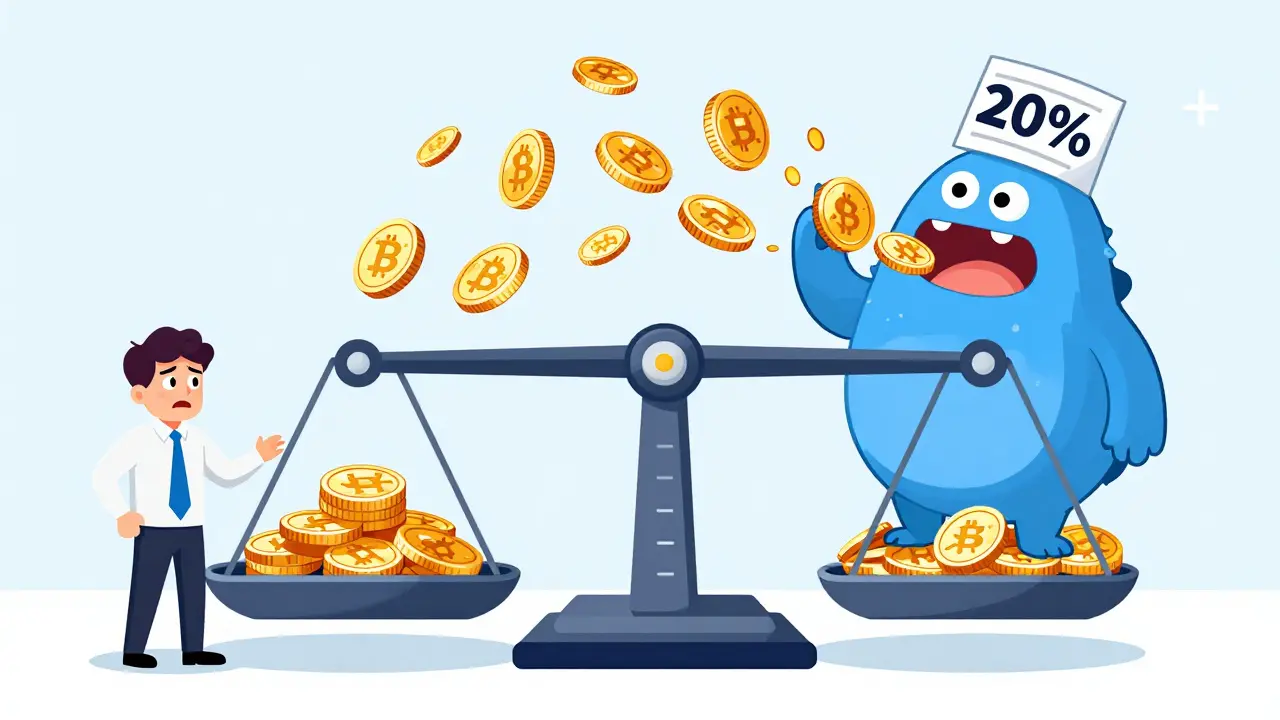
The tax rate? Flat 20% on crypto gains, calculated as sale price minus purchase cost. No deductions, no exemptions. If you bought 0.1 BTC for $3,000 and sold it for $4,500, you owe 20% on the $1,500 profit—$300. Even if you swapped ETH for SOL and made $200, that’s taxable. The Korea Tax Service, the government body that audits crypto traders and sends compliance notices. Also known as National Tax Service, it has been sending letters to thousands of users since 2023 asking for proof of purchase records. No receipts? You’ll be taxed on the full sale amount.

And it’s not just exchanges. If you got tokens from an airdrop, participated in a liquidity pool, or mined crypto on a home rig—all of it counts. The rules are clear: if you acquired it, and later sold or traded it, you owe tax. There’s no threshold because the system was built to catch everyone, not just the big earners. Even if you didn’t cash out, trading one coin for another triggers a taxable event.

People think they can avoid this by using offshore exchanges or self-custody wallets. But Korea’s rules don’t care where your wallet is. If you’re a resident, you’re liable. The government has access to blockchain analytics tools and cross-references wallet addresses with KYC data from local platforms. They’ve already audited over 12,000 crypto users since 2023. Fines for non-compliance start at 20% of unpaid tax, plus interest—and in extreme cases, criminal charges.

So what can you do? Keep every transaction record. Use free tools to track your cost basis. If you’re unsure, consult a local tax advisor who understands crypto. Don’t wait for a letter. The system is already watching. The posts below show you exactly how others have navigated this—whether they’re reporting correctly, getting audited, or avoiding scams disguised as tax-saving tricks. You’ll find real cases, real mistakes, and real solutions from people who’ve been through it.

South Korea Crypto Tax: 20% on Gains Over 50 Million KRW, Full Rules for 2027
  • 8 Dec 2025
  • Elara Crowthorne
  • 20

South Korea Crypto Tax: 20% on Gains Over 50 Million KRW, Full Rules for 2027

South Korea's crypto tax kicks in at 20% on gains over 50 million KRW ($35,900), with income from staking taxed up to 49.5%. The rule starts in January 2027. Know your threshold, track every trade, and avoid penalties.

View More

Popular Categories

  • Cryptocurrency Guides (63)
  • Cryptocurrency (46)
  • Cryptocurrency Trading (27)
  • DeFi (14)
  • Blockchain (13)

Latest News

Understanding Governance Token Value: How Voting Rights Drive Decentralized Protocols

Understanding Governance Token Value: How Voting Rights Drive Decentralized Protocols

22/Jan/2026
Bitcoin Halving Cycles: How the Four‑Year Supply Shock Drives Market Moves

Bitcoin Halving Cycles: How the Four‑Year Supply Shock Drives Market Moves

2/Jan/2025
ANTIX AntLaunch Welcome Event Airdrop: How to Participate and Earn Tokens

ANTIX AntLaunch Welcome Event Airdrop: How to Participate and Earn Tokens

7/Nov/2025
Crescent Network Crypto Exchange Review: Is This Cosmos DeFi Hub Worth Your Assets?

Crescent Network Crypto Exchange Review: Is This Cosmos DeFi Hub Worth Your Assets?

14/Jan/2026
Bitnomial Review: The First Regulated U.S. Crypto Derivatives Exchange (2025)

Bitnomial Review: The First Regulated U.S. Crypto Derivatives Exchange (2025)

25/Mar/2025

Popular Tags

cryptocurrency crypto exchange crypto exchange review blockchain DeFi CoinMarketCap airdrop decentralized exchange Bitcoin ERC-20 smart contracts crypto derivatives Binance Smart Chain AI blockchain trading fees crypto airdrop guide how to claim airdrop DYOR token cryptocurrency research tokenized Bitcoin meme coin
SOHO19 Crypto District

About

Cryptocurrency Guides

Menu

  • About Us
  • Terms of Service
  • Privacy Policy
  • CCPA
  • Contact Us
© 2026. All rights reserved.