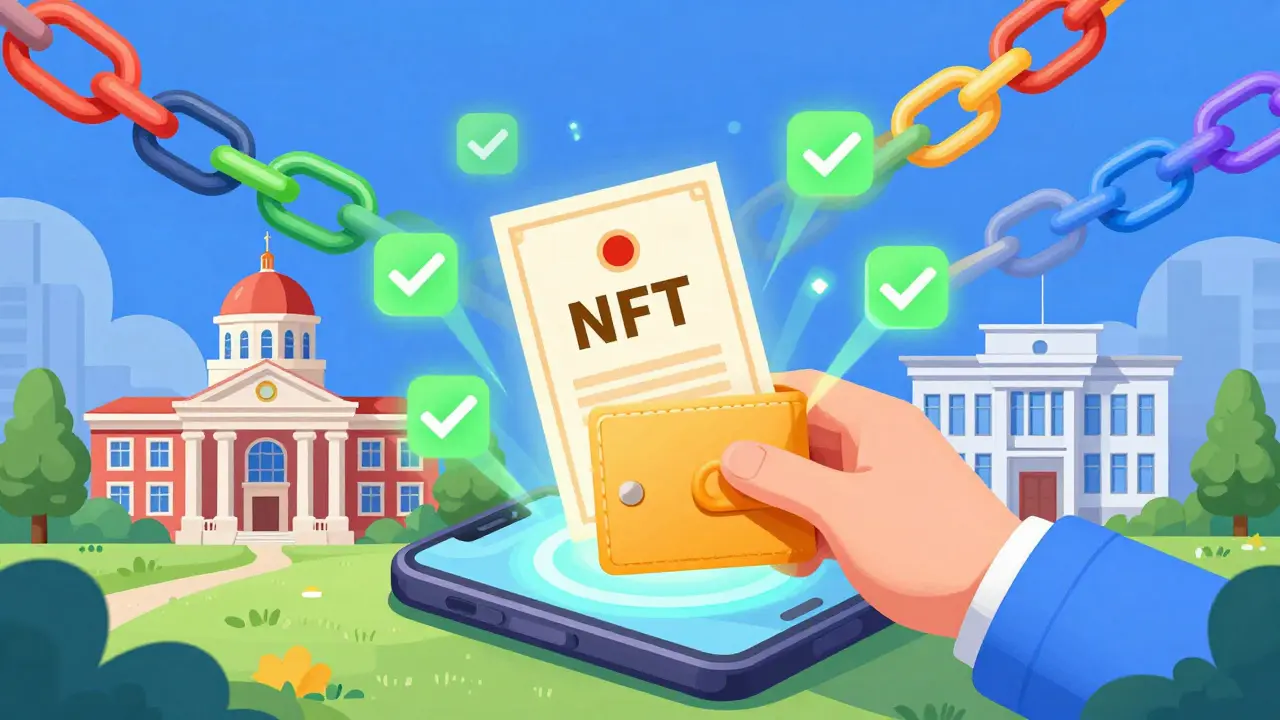
NFTs are now storing verified credentials like diplomas and licenses on the blockchain, giving users full control over their digital identity. Here’s how it works, who’s using it, and why it’s replacing traditional systems.

When you hear NFTs, non-fungible tokens are unique digital certificates stored on a blockchain that prove ownership of a specific asset. Also known as digital assets with verified authenticity, they're not just JPEGs you buy for fun—they're tools used to track real-world goods, fight counterfeits, and build trust where paper receipts fail.
NFTs aren’t about speculation alone. Take NFT supply chain, a system using blockchain-based tokens to trace every step of a product from factory to customer. Brands like luxury fashion houses and organic food producers now tag items with NFTs so you can scan a code and see exactly where the cotton was grown, who stitched the jacket, and if it was shipped ethically. That’s not marketing—it’s NFT provenance, a tamper-proof record of an item’s history, verified by code, not a salesperson. And when you’re buying a $5,000 sneaker or a $20,000 diamond, knowing it’s real matters. That’s why companies are building digital product passport, a permanent, portable NFT that travels with a product across resale markets and warranty claims. It’s not sci-fi—it’s already happening.
Counterfeit goods cost the global economy over $500 billion a year. NFTs are one of the few tools that make it hard to fake authenticity. A NFT anti-counterfeit, a system where each physical item is paired with a unique on-chain token that can’t be copied or duplicated means no more fake designer bags, fake pharmaceuticals, or fake art. You don’t need to trust a brand’s claim—you can verify it yourself with a phone scan. This isn’t about hype. It’s about fixing a broken system that’s been relying on paper labels and goodwill for too long.
What you’ll find below isn’t a list of random NFT projects. These are real-world applications: how NFTs are used to track goods, reward loyalty, and verify authenticity in places where trust is scarce. Some posts dive into how NFTs are tied to actual product ownership. Others show how companies are using them to cut out middlemen and give customers control. You’ll also see how some NFT ideas failed—not because the tech didn’t work, but because no one solved the real problem. This collection isn’t about guessing the next moonshot. It’s about understanding what NFTs actually do when they’re not being sold as profile pictures.
NFTs are now storing verified credentials like diplomas and licenses on the blockchain, giving users full control over their digital identity. Here’s how it works, who’s using it, and why it’s replacing traditional systems.
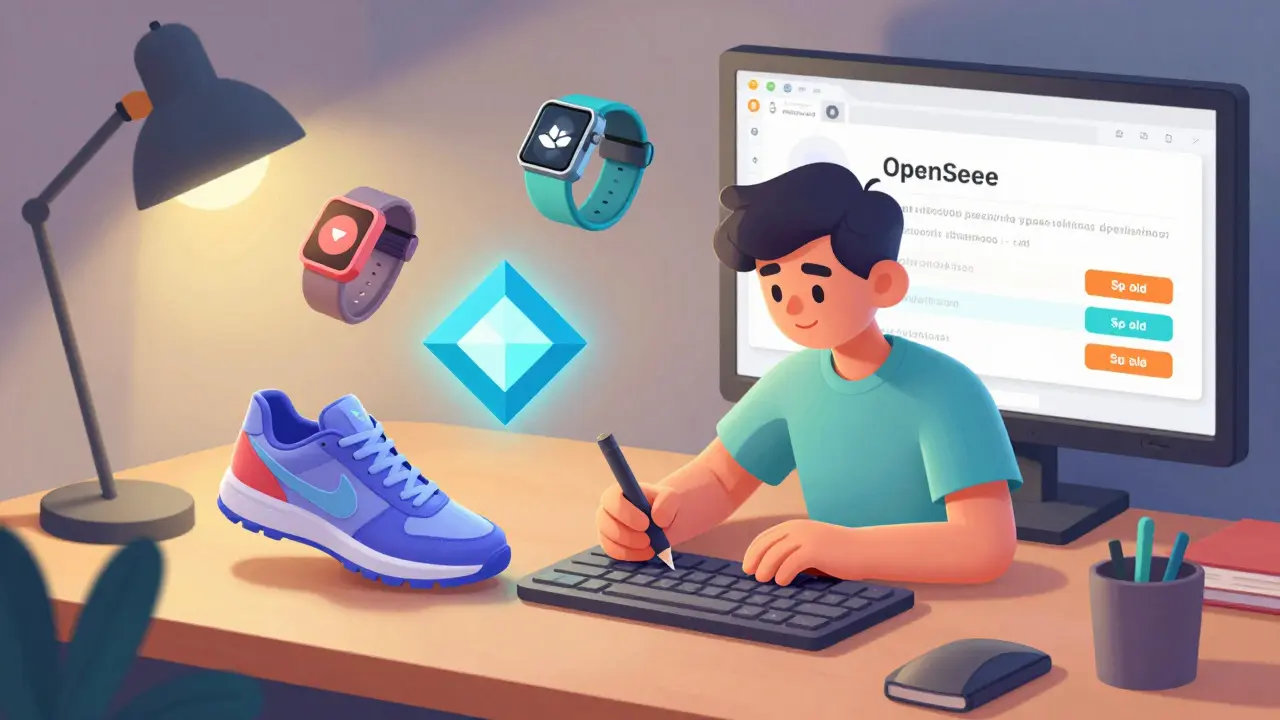
Learn how to create and trade metaverse assets like virtual land, wearables, and NFTs in 2025 using tools like Blender, VoxEdit, and Polygon. Real tips, real earnings, real risks.