- 17 May 2026
- Elara Crowthorne
- 0
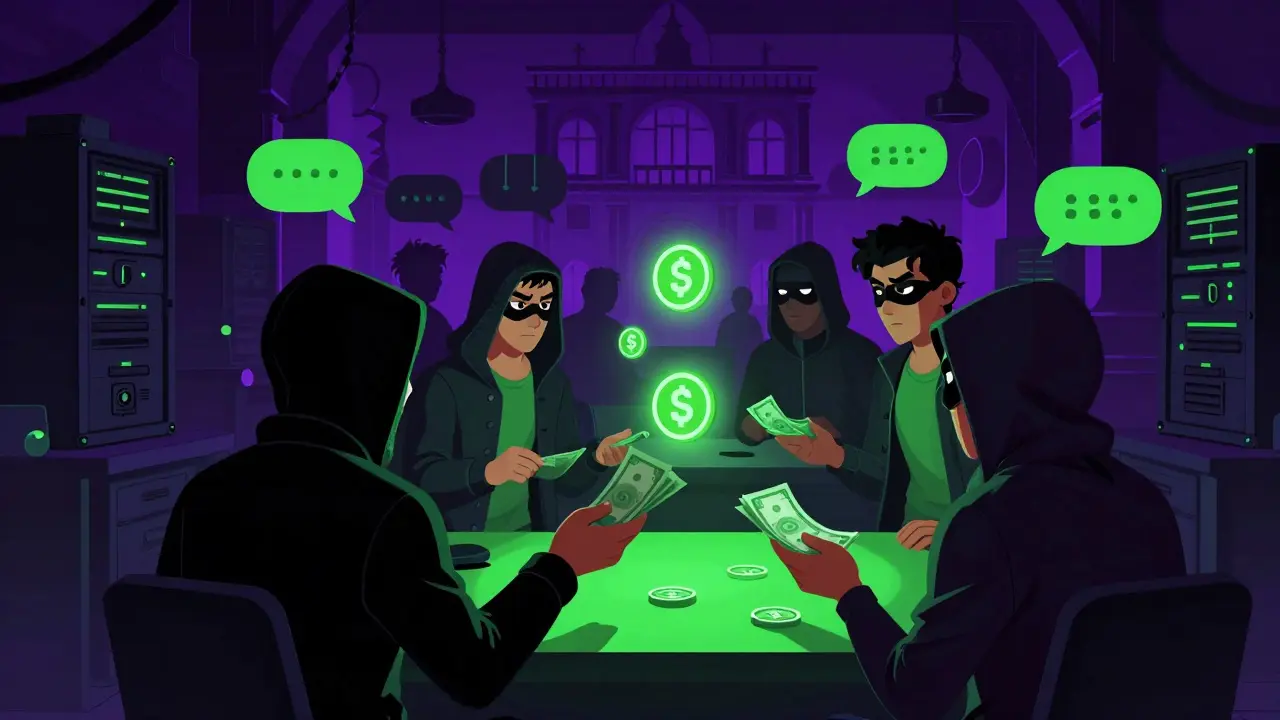
When you hear about the underground crypto market in Ecuador, it is a shadow ecosystem of peer-to-peer trades, unregulated exchanges, and cash-based transactions that operate outside official financial oversight. you might imagine a scene straight out of a cyber-thriller. Dark web forums, encrypted chats, and cash handoffs in remote corners of Quito or Guayaquil. While the reality is less cinematic, the existence of an informal cryptocurrency sector in Ecuador is a direct response to strict banking regulations, capital controls, and historical distrust of state-issued currency.
Ecuador has a unique history with money. It was the first country in the world to adopt the US dollar as its legal tender in 2000, abandoning the sucre to combat hyperinflation. This decision stabilized prices but removed the central bank's ability to print money or manage monetary policy independently. Fast forward to 2014, when the government attempted to launch its own digital currency, the Unit of Value (UVC), which was a failed state-backed electronic payment system designed to replace private cryptocurrencies.. The project never gained traction and was eventually abandoned. Since then, the regulatory landscape has shifted from outright bans to a cautious, restrictive tolerance.
The Legal Gray Area: Why Traders Go Underground
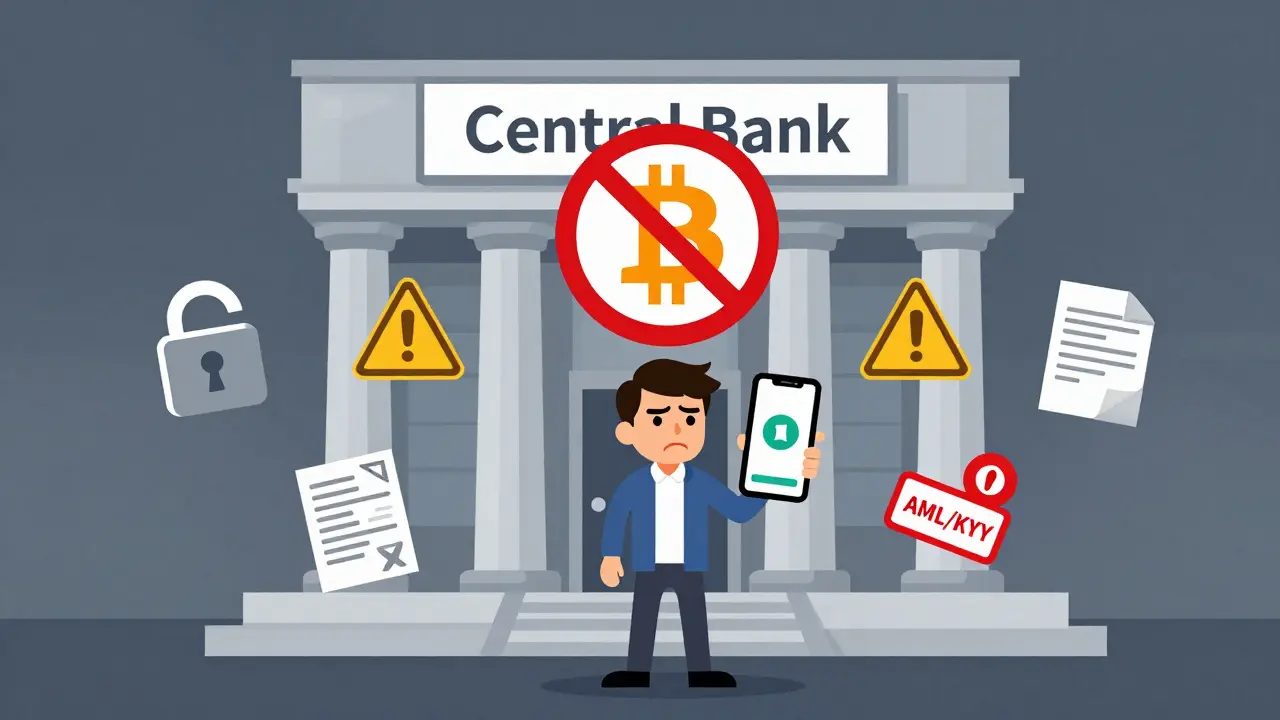
To understand why an underground market exists, you have to look at the friction between local laws and global crypto trends. Currently, buying and selling Bitcoin in Ecuador is not explicitly illegal for individuals. However, the Central Bank of Ecuador (Banco Central del Ecuador, which is the nation's monetary authority responsible for regulating financial institutions and enforcing anti-money laundering laws.) maintains a zero-tolerance stance on using cryptocurrencies for payments or as legal tender. More importantly, local banks are under immense pressure to comply with strict Anti-Money Laundering (AML) and Know Your Customer (KYC) regulations.
This creates a bottleneck. If you try to send large amounts of fiat dollars to a recognized crypto exchange like Binance or Coinbase via a traditional Ecuadorian bank account, your transaction may be flagged, frozen, or rejected entirely. Banks fear being associated with illicit flows. As a result, many Ecuadorians turn to Peer-to-Peer (P2P) platforms or informal networks to bypass these institutional hurdles. This isn't always about criminal activity; often, it's about accessibility.
- Banking Restrictions: Local banks often block transfers to known crypto-friendly entities.
- Lack of Local Exchanges: There are no major, locally licensed crypto exchanges operating openly in Ecuador.
- Tax Ambiguity: Unclear tax reporting requirements for crypto gains drive traders toward opaque channels.
How the Informal Network Operates
The "underground" aspect of the Ecuadorian crypto market relies heavily on trust-based networks and decentralized protocols. Unlike centralized exchanges where a company holds your funds, informal trading often involves direct wallet-to-wallet transfers or escrow services provided by community leaders.
One common method is the use of Telegram groups and WhatsApp communities. These groups act as bulletin boards where buyers and sellers post their rates for Bitcoin, USDT, or other stablecoins. Transactions are often settled using cash deposits, which are physical currency deposited into third-party bank accounts to avoid direct traceability to the trader. or mobile payment apps like PayPal or Zelle, depending on the seller's location. This method allows users to acquire crypto without triggering alerts on their primary bank statements.
Another layer involves Bitcoin ATMs, which are kiosks that allow users to buy or sell cryptocurrency with cash, though their presence in Ecuador is limited and often targeted by regulators.. While not widespread, some travelers and locals utilize machines in neighboring countries or rare urban installations to convert cash to crypto instantly. These machines are frequently shut down due to regulatory pressure, making them a fleeting part of the underground infrastructure.
Risks of Unregulated Trading
Entering this informal space comes with significant dangers. Without the protection of a regulated entity, you have no recourse if a trade goes wrong. Scams such as "triangulation fraud" are prevalent. In this scheme, a scammer convinces you to deposit funds into a third party's account while promising to release crypto from their own wallet. When the third party doesn't release the funds, you lose both your money and the crypto.
Additionally, there is the risk of interacting with illicit funds. If you accidentally receive stolen crypto or laundered money through an informal channel, your wallet could be blacklisted by compliance algorithms used by future exchanges, locking you out of the legitimate financial system.
Legal Alternatives: Navigating the Official Path
Despite the allure of the underground market, most experienced traders in Ecuador prefer to use legal, albeit cumbersome, methods to minimize risk. Several international platforms accept Ecuadorian users, provided they can navigate the banking constraints.
| Platform/Method | Fiat On-Ramp | Security Level | Regulatory Compliance | Best For |
|---|---|---|---|---|
| CEX.IO | Credit Card, Bank Transfer | High (SOC 2 Certified) | Full AML/KYC | Long-term investors |
| Binance P2P | Local Bank Transfer, PayPal | Medium (User-dependent) | Partial (Platform enforces KYC) | Quick USD/USDT swaps |
| Bit2Me | Credit/Debit Card | High | EU Standards | Beginners seeking education |
| LocalCoinSwap | 300+ Payment Methods | Low to Medium | Minimal | Privacy-focused traders |
CEX.IO is widely regarded as one of the safest options for Ecuadorians. It offers robust security features, including two-factor authentication (2FA) and cold storage for assets. Users can buy crypto directly with credit cards, though fees may be higher than bank transfers. Similarly, Gemini, a US-based exchange, provides access to multiple fiat currencies, allowing Ecuadorians to trade with greater liquidity.
For those who need speed, Binance P2P remains the dominant platform. It connects buyers and sellers directly within the app. The process typically involves finding a seller who accepts local bank transfers or PayPal, placing an order, and transferring the fiat currency. Once the seller confirms receipt, the USDT or Bitcoin is released from escrow. This method is efficient but requires vigilance to avoid scams.

Security Protocols for Ecuadorian Traders
Whether you choose the legal route or dip into the informal market, security is non-negotiable. The absence of strong local regulation means you are your own custodian. Here are essential steps to protect your assets:
- Use Hardware Wallets: Never leave large amounts of crypto on an exchange. Devices like Ledger or Trezor keep your private keys offline, protecting you from hacks.
- Enable 2FA: Use authenticator apps rather than SMS for two-factor authentication, as SIM swapping attacks are common.
- Verify Counterparties: On P2P platforms, only trade with users who have high completion rates and positive feedback. Check their trade history carefully.
- Avoid Public Wi-Fi: Never conduct crypto transactions on public networks. Use a secure, private connection to prevent man-in-the-middle attacks.
- Understand Escrow: Always use platforms that offer escrow services for P2P trades. Never send funds directly to a stranger's wallet without a guarantee.
The Future of Crypto Regulation in Ecuador
The regulatory environment in Ecuador is slowly evolving. While the government has not embraced crypto as a mainstream asset class, there is growing recognition of its role in remittances and savings. Many Ecuadorians use Bitcoin to store value against inflation, even though the dollar is already the official currency. This paradox highlights the demand for financial sovereignty.
Recent discussions among policymakers suggest that stricter enforcement against money laundering will continue, potentially squeezing the underground market further. However, this could also push more users toward regulated P2P platforms that offer better transparency. The key trend is the shift from complete prohibition to managed restriction. Exchanges that comply with international standards like ISO 27001 and SOC 2 Type 2 are likely to gain more trust and user adoption.
Education plays a crucial role here. Platforms like Bit2Me Academy provide free resources to help users understand blockchain technology and safe trading practices. As awareness grows, the reliance on risky underground methods should decrease, replaced by more secure, albeit slower, legal alternatives.
Is it illegal to buy Bitcoin in Ecuador?
No, it is not illegal for individuals to buy, sell, or hold Bitcoin in Ecuador. However, it cannot be used as legal tender for payments, and businesses cannot accept it as official currency. The government focuses on preventing money laundering rather than banning personal ownership.
Why do people use the underground crypto market in Ecuador?
Many users turn to informal markets because local banks often block transfers to crypto exchanges due to strict AML policies. Additionally, the lack of local, regulated exchanges forces traders to seek alternative methods like P2P networks or cash-based deals to access digital assets.
What is the safest way to buy crypto in Ecuador?
The safest method is using reputable international exchanges like CEX.IO or Gemini that comply with KYC/AML regulations. For faster transactions, Binance P2P is popular but requires careful vetting of counterparties to avoid scams. Always use hardware wallets for long-term storage.
Can I use a Bitcoin ATM in Ecuador?
Bitcoin ATMs are extremely rare in Ecuador and often face regulatory shutdowns. Most users rely on online P2P platforms or international exchanges instead. Travelers sometimes use ATMs in neighboring countries, but this is not a reliable domestic option.
How does the Central Bank of Ecuador view cryptocurrency?
The Central Bank of Ecuador maintains a cautious stance, warning citizens about the risks of volatility and fraud. It does not recognize crypto as legal tender and actively monitors financial institutions to ensure they do not facilitate illicit crypto-related transactions.