- 23 Aug 2026
- Elara Crowthorne
- 0
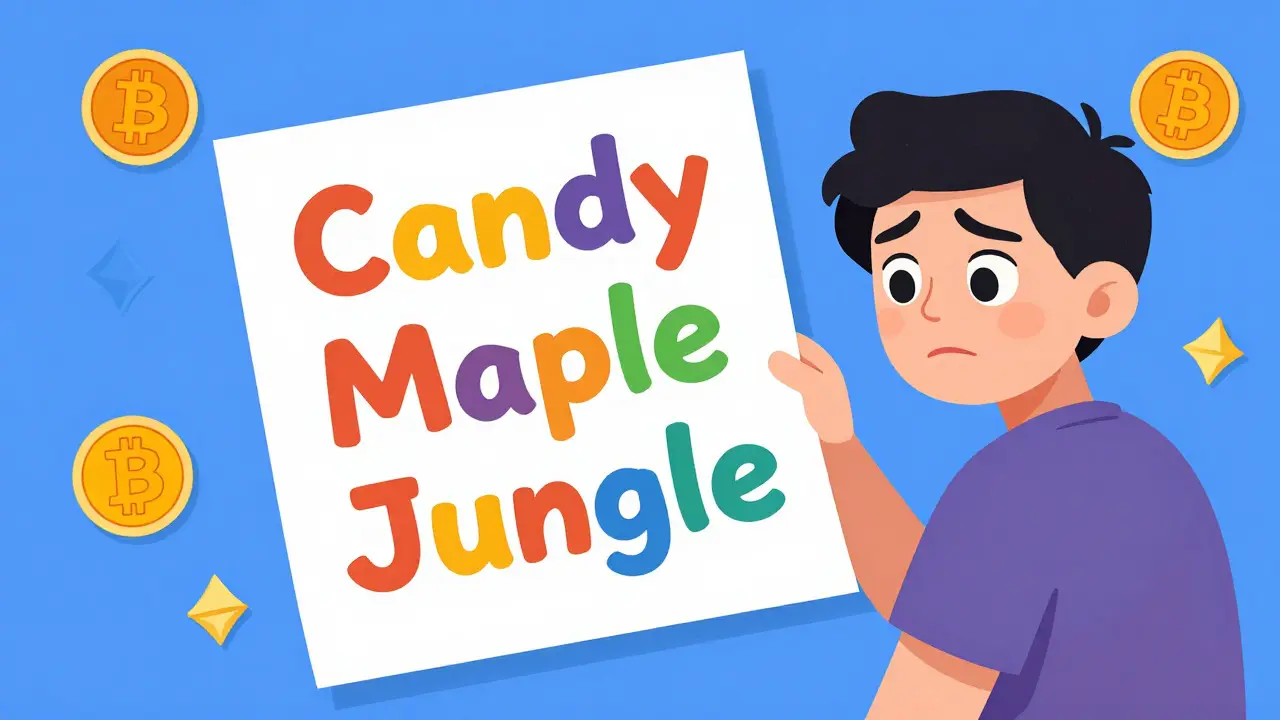
Imagine losing your phone and realizing your entire life savings are locked behind a 24-word phrase you wrote on a piece of paper that is now in a drawer you can't open. For millions of crypto users, this isn't a hypothetical scenario; it's the terrifying reality of traditional wallet management. But what if you could recover access just by asking three trusted friends for help? That is the promise of social recovery, a feature powered by account abstraction that is reshaping how we think about blockchain security.
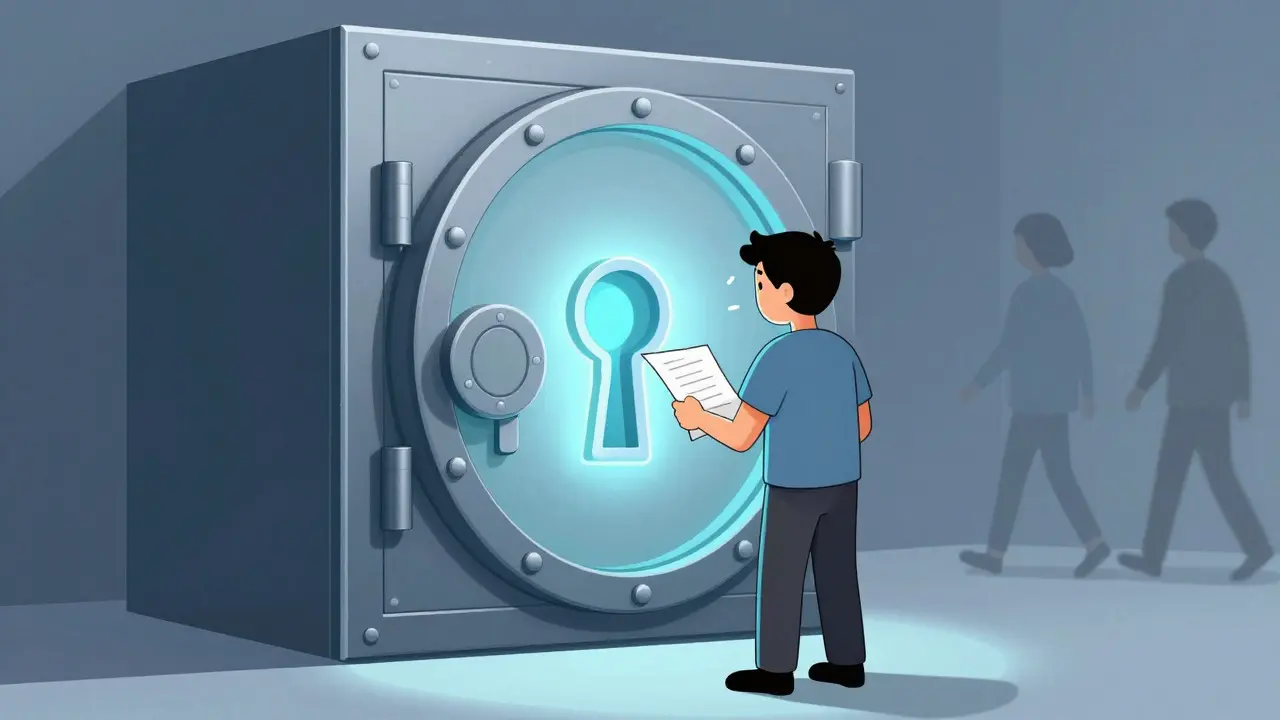
Traditional cryptocurrency wallets rely on something called an Externally Owned Account (EOA). Think of an EOA as a physical house where the only key to get in is a unique, uncopyable metal key held by one person. If you lose that key, the house is sealed forever. There is no spare key. There is no lock change service. You are simply out. This single point of failure has kept many people away from self-custody, preferring centralized exchanges where they don't have to worry about keys at all, but then risk their funds being hacked or frozen by a company.
How Account Abstraction Changes the Game
Account abstraction flips this model on its head. Instead of using a simple key pair, it uses a smart contract to manage your funds. This smart contract is like a sophisticated digital vault with customizable rules. You decide who can open the door, when they can open it, and what proof they need to show. This separation between the user interface and the underlying code allows for features that were impossible with standard EOAs, such as gas fee sponsorship and, most importantly, social recovery.
The backbone of this technology on Ethereum is ERC-4337. Proposed by Vitalik Buterin and finalized in late 2021, this standard created a new infrastructure layer. It introduced specific components like bundlers, which collect transactions, and EntryPoint contracts, which verify them. This setup allows your smart contract wallet to perform complex actions without needing to send raw transactions directly to the chain in the old way. It makes the wallet feel more like a modern app and less like a cryptographic puzzle.
What Is Social Recovery Exactly?
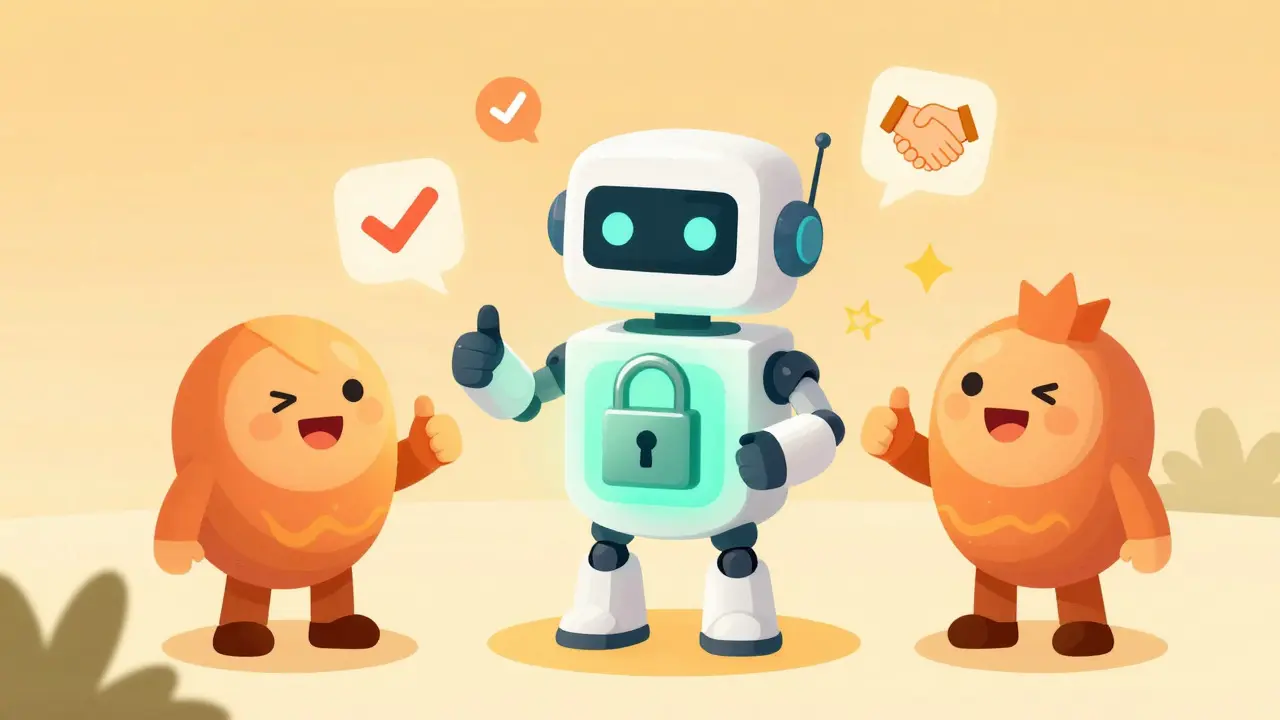
Social recovery is the process of regaining access to your wallet by getting approval from a group of pre-selected trusted contacts, often called guardians or recovery partners. Instead of relying on a seed phrase, you rely on people. The logic is simple: if you lose your device, you contact your guardians. They verify your identity through a call, video chat, or signed message. Once enough of them approve, the smart contract unlocks your funds after a short waiting period.
This approach solves the biggest pain point for non-technical users: the fear of forgetting or losing the seed phrase. Studies suggest that nearly 80% of newcomers cite seed phrase management as their primary security anxiety. By replacing a static string of words with dynamic human verification, social recovery aligns better with how people actually manage important things in real life, like bank accounts or safe deposit boxes.
The Mechanics of Recovery: Guardians and Timelocks
Setting up social recovery involves choosing your guardians carefully. Most implementations use a multi-signature scheme, often requiring M-of-N approvals. For example, a common setup is 2-of-3, meaning you choose three guardians, and any two of them must agree to restore your access. This prevents a single malicious guardian from taking over your wallet while ensuring that if one guardian is unavailable, you still have a path forward.
To prevent instant theft, these systems include a timelock. When guardians initiate a recovery, there is a delay, typically ranging from 12 to 72 hours. During this window, you can cancel the request if it was accidental or if you regain access to your original device. This buffer zone is crucial for security. It gives you time to react and ensures that a quick-hack attempt by a compromised guardian doesn't result in immediate fund loss.
| Feature | Traditional Seed Phrase | Social Recovery (Account Abstraction) |
|---|---|---|
| Recovery Method | Memorize or store 12-24 words | Approval from trusted contacts |
| Single Point of Failure | Yes (the phrase itself) | No (distributed trust) |
| User Friendliness | Low (cryptographic complexity) | High (human-centric) |
| Time to Recover | Instant (if phrase is found) | Delayed (12-72 hour timelock) |
| Dependency | Physical storage of phrase | Availability of guardians |
Popular Implementations and User Experience
You don't need to be a developer to benefit from this. Major wallet providers have integrated social recovery into their apps. Argent is a leading example, offering a seamless experience where you can add guardians via Telegram or WhatsApp. Their system uses a 2-of-3 threshold with a 24-hour timelock, making it accessible for everyday users. Another prominent player is Safe (formerly Gnosis Safe), which appeals more to power users and institutions. Safe allows for highly customizable recovery modules, letting you define exactly how many signatures are needed and even integrate with enterprise identity providers.
On other chains, solutions like Starknet have built account abstraction natively into their architecture. This means every Starknet wallet is essentially a smart contract, enabling social recovery features with lower gas costs due to Layer-2 scaling. Users report that while setting up guardians takes a bit of coordination, the peace of mind outweighs the initial effort. One user shared that after losing their phone, a video call with two siblings allowed them to recover their assets within 48 hours, a process that would have been impossible with a lost seed phrase.
Security Considerations and Risks
While social recovery is robust, it introduces new types of risks. The biggest concern is social engineering. If a hacker convinces one of your guardians that you've lost your wallet, they might sign a recovery transaction. To mitigate this, experts recommend using diverse communication channels for verification, such as combining a phone call with a signed wallet message. Additionally, the availability of your guardians matters. If all your chosen contacts travel abroad without internet access during an emergency, you might face delays. This is why best practices suggest having backup tiers of contacts or using institutional guardians for larger sums.
Gas fees are another factor. Social recovery transactions involve more complex smart contract interactions, which can cost 15-25% more in gas than a standard transfer on Ethereum mainnet. However, on Layer-2 networks like Starknet or Arbitrum, this premium drops significantly, often to just 5-10%, making it economically viable for regular users.
Getting Started with Social Recovery
If you want to try this, start by downloading a wallet that supports account abstraction, such as Argent or Safe. The setup process usually takes under 10 minutes. You will be prompted to select 3-5 guardians. Choose people you trust implicitly, not just acquaintances. Verify their contact details through multiple methods. Once set up, run a simulation. Many wallets allow you to test the recovery process without moving actual funds. This builds confidence and ensures your guardians know what to do if the worst happens.
Remember, social recovery is not just a technical feature; it's a shift in mindset. It moves blockchain security from pure cryptography to a hybrid model that includes human trust. As adoption grows, expect to see more integrations with biometrics and AI-assisted verification, further smoothing the path for mainstream users.
Do I still need a seed phrase if I use social recovery?
In most account abstraction wallets, the seed phrase becomes secondary. Your primary recovery method is your guardians. However, some wallets may still generate a backup phrase for extreme edge cases, but you should rely on the social recovery mechanism as your main safety net.
Can my guardians steal my money?
Generally, no. Because most systems require multiple signatures (like 2 out of 3), a single guardian cannot take over the wallet alone. They would need to collude with another guardian or trick you into cancelling the timelock. This distributed trust model makes unilateral theft very difficult.
How long does the recovery process take?
It depends on the wallet's timelock setting. Common durations range from 12 to 72 hours. This delay is intentional to give you time to cancel the request if it was made by mistake or if you regain access to your original device.
Is social recovery available on all blockchains?
Not yet. It is primarily available on Ethereum (via ERC-4337) and chains with native account abstraction support like Starknet and Polygon. Support is expanding rapidly, but you should check your specific chain's documentation before assuming compatibility.
What happens if a guardian loses their own wallet?
If a guardian loses their wallet, they may temporarily be unable to sign a recovery transaction. This is why it's recommended to have more guardians than the minimum required (e.g., 4 guardians for a 2-of-3 requirement) to ensure redundancy.