- 12 Jul 2026
- Elara Crowthorne
- 0
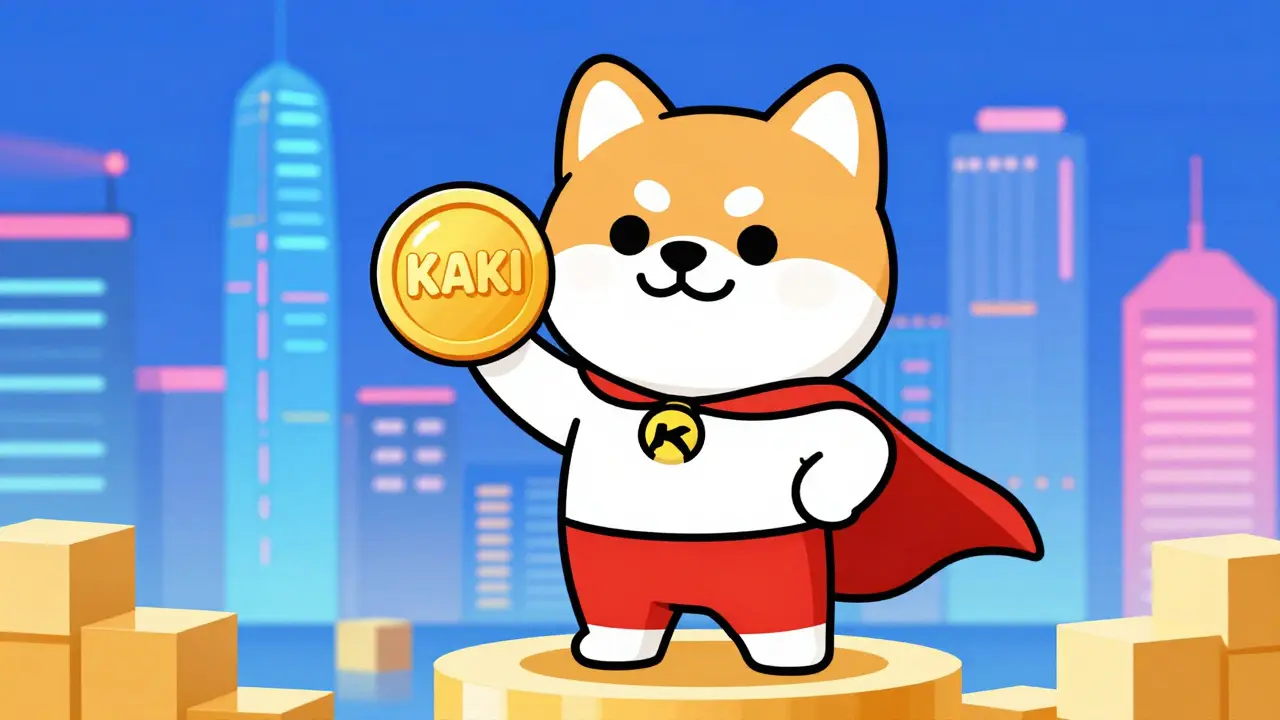
Ever heard of a cryptocurrency that promises to save dogs while you speculate on its price? That’s the pitch for Doge KaKi, also known by its ticker symbol KAKI. It is a community-driven, hyper-deflationary meme token built on the Binance Smart Chain that combines charitable goals with speculative trading mechanics.
If you are looking at KAKI because you saw it trending or because you love dog-themed coins like Shiba Inu or Dogecoin, pause for a second. This isn’t just another copycat project. It has specific mechanics-like automatic burns and zero transaction taxes-that set it apart from the typical meme coin crowd. But before you swap your stablecoins for KAKI, you need to understand exactly what you are getting into, especially since this is a micro-cap asset with very low liquidity.
The Basics: What Is Doge KaKi?
Doge KaKi operates primarily on the Binance Smart Chain (now often referred to as BNB Chain), which means it follows the BEP-20 token standard. For those new to crypto, this implies faster transaction times and lower fees compared to Ethereum-based tokens. The project markets itself as a bridge between the Hong Kong crypto community and global retail investors, aiming to make decentralized finance accessible to "ordinary people."
Unlike many projects led by famous founders or venture capital firms, Doge KaKi is anonymous. There are no named team members listed on major trackers like CoinMarketCap or CoinGecko. Instead, the narrative relies entirely on community governance and the promise of decentralization. This anonymity is common in the meme coin sector but adds a layer of risk you should always keep in mind.
Tokenomics: The Hyper-Deflationary Model
The core appeal of KAKI lies in its tokenomics. Here is how the numbers break down as of mid-2026:
- Total Supply: 100,000,000,000,000 (100 trillion) KAKI tokens.
- Circulating Supply: Approximately 10.17 trillion KAKI.
- Transaction Tax: 0%. You keep 100% of what you buy or sell.
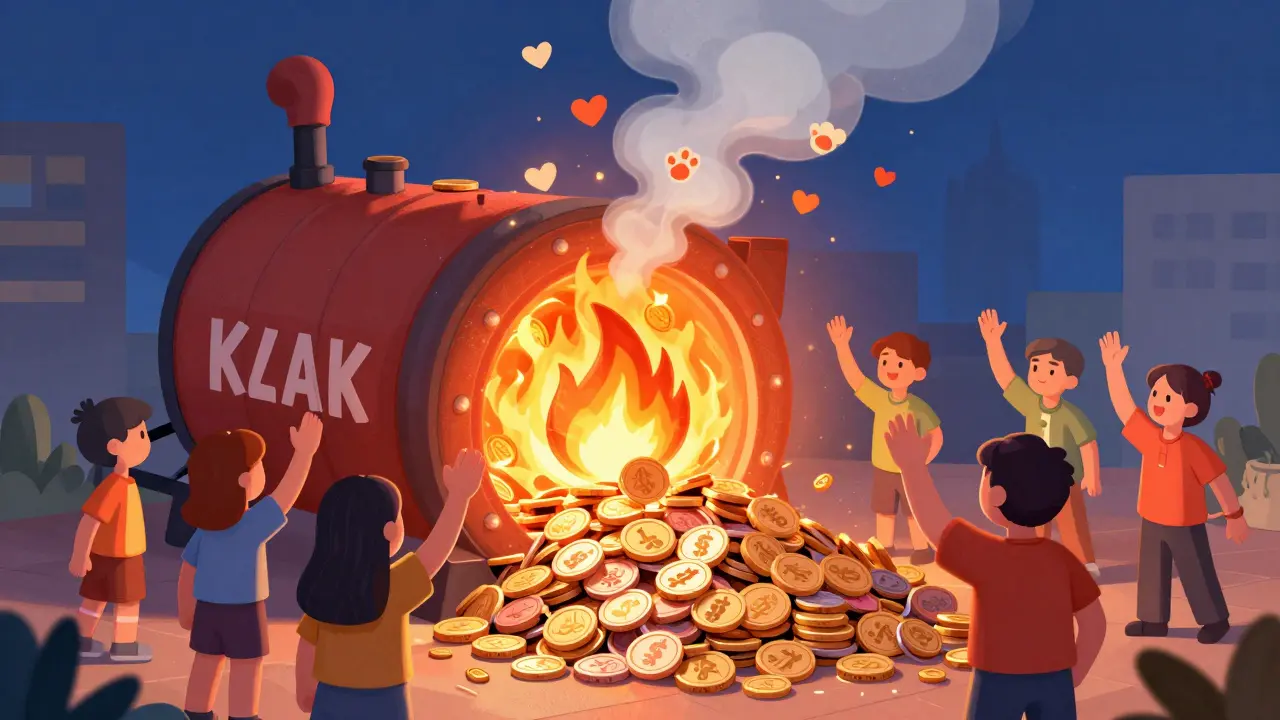
- Burn Mechanism: A percentage of tokens is burned (destroyed) with every transaction.
This setup is called "hyper-deflationary." The idea is simple: as more people trade KAKI, fewer tokens exist in circulation. If demand stays steady or increases while supply decreases, basic economics suggests the price per token should rise. Additionally, the project features a "smart bet" reward system that gives users extra tokens for holding or transacting, incentivizing long-term commitment over quick flips.
| Metric | Value |
|---|---|
| Price (USD) | ~$0.000000016 |
| Market Cap | ~$196,790 |
| 24-Hour Volume | Very Low (<$30 reported on some pairs) |
| Network | Binance Smart Chain (BSC) |
| Holders | ~30,740 (CoinMarketCap) / ~506 (Etherscan contract view) |
Charity Mission: Saving Dogs or Marketing Gimmick?
Doge KaKi explicitly states its mission is to financially support dogs in need. This charitable angle is a significant part of its branding, particularly within the Hong Kong sector where it claims to be the "most valuable memecoin." However, transparency here is limited.
While the goal is noble, public listings do not provide audited donation figures or on-chain records showing exactly how much money has been sent to shelters or rescue organizations. When evaluating any charity-linked crypto, ask yourself: can I verify the impact? For KAKI, the answer currently is "not easily." This doesn't mean the donations aren't happening, but it does mean you are trusting the community's word rather than seeing hard data.
How to Buy Doge KaKi (KAKI)
You won’t find KAKI on major centralized exchanges like Coinbase Pro or Kraken. Instead, you will need to use a Web3 wallet and a decentralized exchange (DEX). Here is the step-by-step process using the Binance ecosystem, which is the most common route for beginners:
- Set Up a Wallet: Download the Binance app and create a free account. Enable the "Web3 Wallet" feature within the app.
- Fund Your Wallet: Buy a stablecoin like USDT or BNB on the main Binance exchange and transfer it to your Web3 Wallet address.
- Connect to DEX: Open the "Trade" tab in your Web3 Wallet. Select PancakeSwap (the primary DEX for BSC tokens).
- Verify the Contract: This is crucial. Paste the official contract address:
0x42414624C55A9CBa80789f47c8F9828A7974e40f. Double-check this against BscScan to avoid scams. - Swap: Enter the amount of USDT you want to spend and swap it for KAKI. Confirm the transaction.
Once you have KAKI, you can hold it in your wallet or stake it via Binance Wallet Earn’s "Simple Yield" feature to potentially earn passive income, though yields vary based on pool performance.
Risks and Red Flags
Let’s be real: investing in micro-cap meme coins is high-risk. Here are the specific concerns with Doge KaKi that you must weigh carefully:
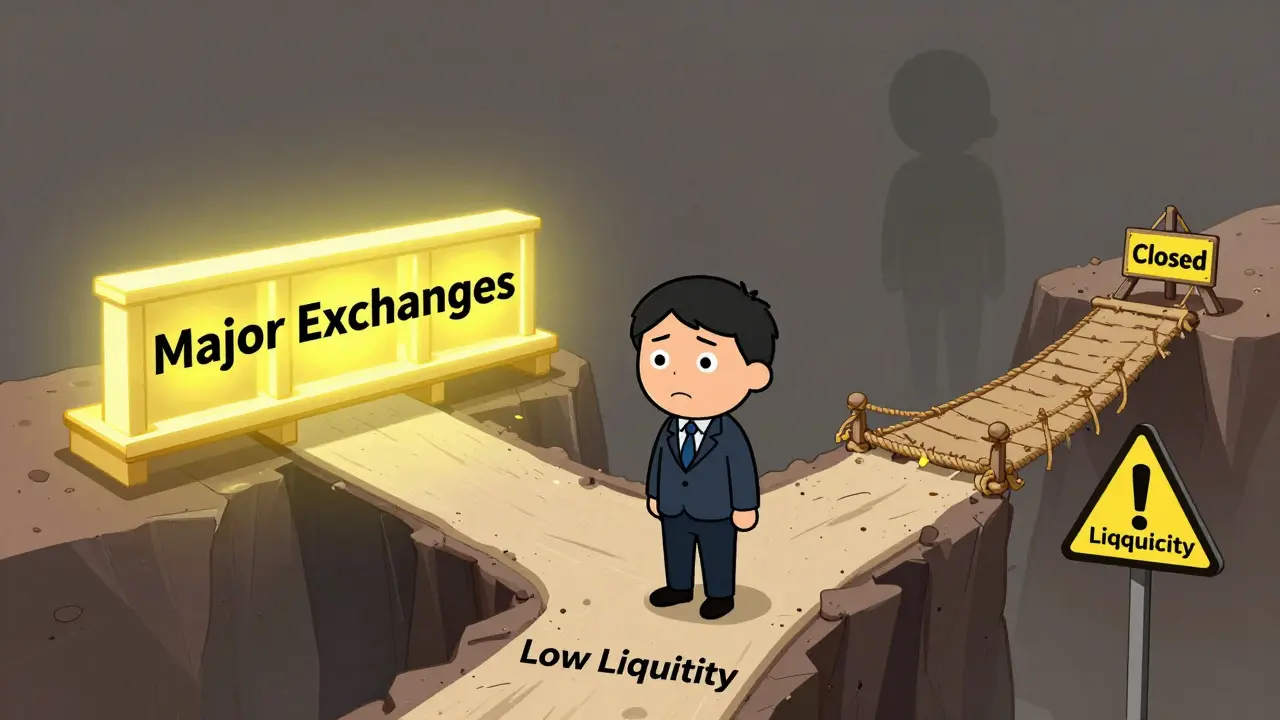
- Liquidity Issues: With daily trading volumes sometimes dipping below $30, selling large amounts of KAKI could crash the price due to slippage. You might not be able to exit your position quickly without losing significant value.
- Ticker Confusion: There is another project called "KAKI PROTOCOL" that uses the same ticker. It is a completely different DeFi options protocol. Mixing them up could lead to buying the wrong asset entirely.
- Price History: KAKI is currently trading about 95% below its all-time high of $0.00000064 recorded in April 2023. Recovering to previous highs would require massive market cap growth, which is unlikely without viral marketing or major exchange listings.
- No Security Audits: Public sources do not list formal security audits from reputable firms. While the contract is visible on Etherscan and BscScan, the lack of independent verification means bugs or vulnerabilities could exist.
Doge KaKi vs. Other Meme Coins
How does KAKI stack up against giants like Dogecoin (DOGE) or Shiba Inu (SHIB)?
Dogecoin and Shiba Inu have established ecosystems, massive developer communities, and listings on every major exchange. They are considered "blue-chip" meme coins (relatively speaking). Doge KaKi is a niche player. Its advantage is its deflationary model and zero tax, which appeals to traders tired of paying fees on every swap. Its disadvantage is size and visibility. KAKI is a speculative bet on community growth, whereas DOGE and SHIB are bets on cultural staying power.
Is Doge KaKi (KAKI) a scam?
There is no definitive evidence labeling Doge KaKi as a scam on major block explorers like Etherscan, which lists its reputation as "Neutral." However, the anonymity of the developers, lack of audited charity reports, and extremely low liquidity are red flags typical of high-risk speculative assets. Always treat such investments as potential total losses.
What is the difference between Doge KaKi and KAKI Protocol?
They are two completely different projects. Doge KaKi is a meme coin focused on charity and deflationary tokenomics on the Binance Smart Chain. KAKI Protocol is a decentralized options trading platform built on Arbitrum and BSC. Ensure you check the contract address to avoid mixing them up.
Can I buy Doge KaKi on Coinbase?
You cannot buy KAKI directly on Coinbase’s main spot exchange. However, Coinbase offers conversion tools that may allow you to swap other assets for KAKI if routing is available. Most users prefer buying via decentralized exchanges like PancakeSwap using a Web3 wallet for better control and lower fees.
Why is the price of KAKI so low?
The low unit price ($0.000000016) is partly due to the massive total supply of 100 trillion tokens. Meme coins often use huge supplies to make the unit price look affordable to retail investors. More importantly, the low price reflects its small market cap (~$200k) and limited adoption compared to larger cryptocurrencies.
Is Doge KaKi listed on Binance Exchange?
No, Doge KaKi is not listed on the centralized Binance Exchange (CEX). It is only available through decentralized platforms. You can use the Binance Web3 Wallet to access these decentralized markets, but you will not find KAKI in the standard spot trading section.